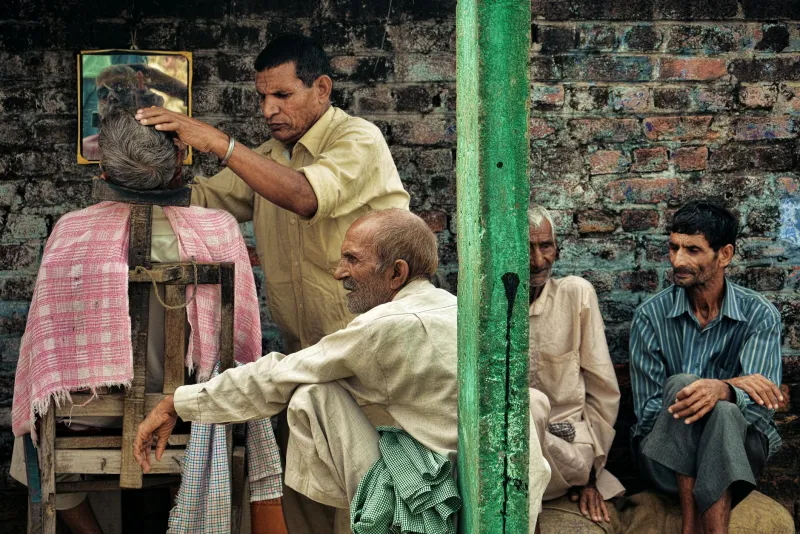
America's Last Free Clubhouse: How the Corner Barbershop Became a Relic
Walk into any Great Clips or Sport Clips today, and you'll find efficiency. Numbered tickets, timed appointments, and stylists wearing headphones who barely make eye contact. You'll get a decent haircut for $15 and be out the door in 20 minutes.
What you won't find is what America lost: the last place where men could gather, argue, laugh, and solve the world's problems without buying anything except a $2 haircut.
More Than Just Hair
For most of the 20th century, the neighborhood barbershop functioned as an unofficial community center. It was where the mailman debated baseball with the bank president, where teenagers learned to talk to adults, and where news traveled faster than any newspaper could print it.
Joe Castellano ran Castellano's Barbershop in South Philadelphia for 47 years. His shop had four chairs, but on Saturday mornings, a dozen men might be inside — some waiting for cuts, others just stopping by to catch up on neighborhood gossip or argue about the Eagles' chances.
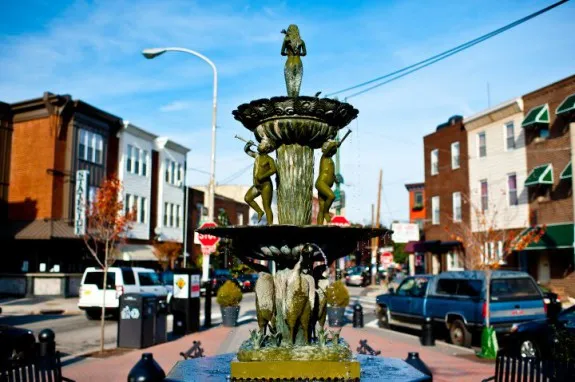 Photo: South Philadelphia, via philadelphiaencyclopedia.org
"I knew every man's family situation," Castellano recalls. "Who was looking for work, whose kid made honor roll, who was having trouble with their wife. We were like a support group that happened to cut hair."
The Economics of Community
The old barbershop model worked because it was built on time, not efficiency. A haircut might take 45 minutes, but 20 of those minutes were spent talking — about politics, sports, work, or life. The barber made his money not by rushing customers through, but by creating a space people wanted to return to.
Men would often arrive early for their appointments, just to participate in whatever conversation was happening. The shop became a regular stop in their weekly routine, as essential as church or the grocery store.
This wasn't just small-town nostalgia. Cities like Chicago, Detroit, and New York had barbershops on nearly every corner, each serving as the social hub for its particular neighborhood. The shop became an extension of the street life, a place where the community's informal business got conducted.
When Real Estate Killed the Gathering
The death of the traditional barbershop wasn't sudden — it was a slow strangulation by economics. As urban rents soared in the 1980s and 90s, small business owners could no longer afford to maintain spaces where customers lingered. Every square foot had to generate maximum revenue.
The solution was the franchise model: multiple chairs, rapid turnover, and standardized service. Great Clips could pay higher rent because they processed three times as many customers per hour. The math was simple, but the social cost was enormous.
"When the chains moved in, they changed everything," says Marcus Washington, who worked in his father's barbershop in Detroit before it closed in 1993. "They turned haircuts into a transaction instead of a relationship. Nobody talks to each other anymore — they just stare at their phones."
The Lost Art of Male Friendship
Sociologists have documented the decline of male friendships in America, but they often miss a crucial factor: the disappearance of spaces where men could interact without a specific agenda. The barbershop was one of the few places where a construction worker and a lawyer might strike up a conversation simply because they were both waiting for the same barber.
These weren't forced interactions — they were organic connections that developed over time. Men who might never socialize outside the barbershop became genuine friends through years of Saturday morning conversations.
Today's men are more isolated than ever, with fewer close friendships and less community connection. The rise of chain salons isn't the only cause, but it eliminated one of the last reliable places where men gathered regularly.
What We Replaced It With
Modern men's social lives increasingly revolve around expensive activities: golf courses, sports bars, or organized leagues that require significant time and money commitments. The free, informal gathering space has largely disappeared from American life.
Social media promised to fill this gap, but scrolling through Facebook isn't the same as face-to-face conversation with neighbors. The barbershop offered something the internet can't replicate: genuine human connection with people you might disagree with but still respect.
The Survivors
A few traditional barbershops still exist, usually in small towns or urban neighborhoods that have resisted gentrification. These remaining shops often feel like museums — preserved examples of how American men used to interact with each other.
Visit Schaefer's Barbershop in Albany, New York, or Mickey's in Boston's North End, and you'll find something remarkable: men of different ages, races, and backgrounds engaged in actual conversation. They're debating politics, sharing work stories, and giving each other advice about everything from car repairs to raising teenagers.
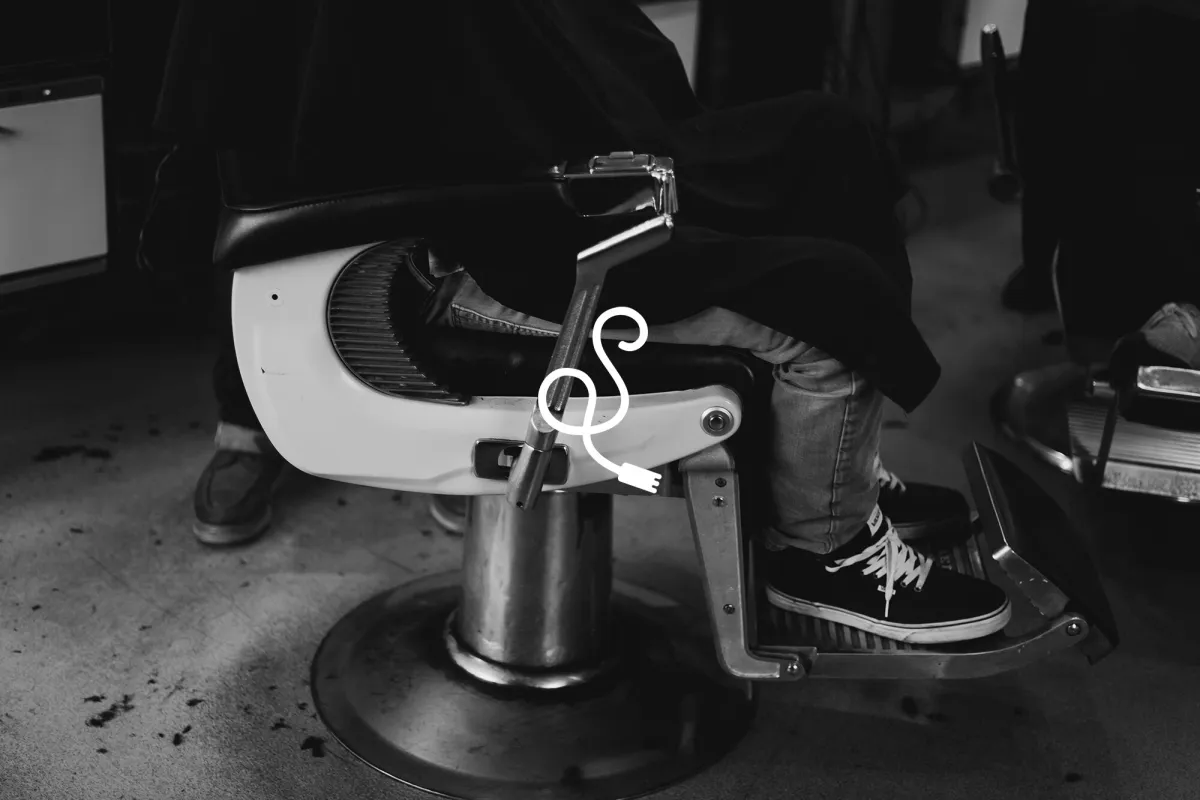 Photo: Schaefer's Barbershop, via images.squarespace-cdn.com
"People are hungry for this kind of connection," says Tony Schaefer, whose family has run their shop since 1924. "Men come in here and talk about things they can't discuss anywhere else. We're like therapists who happen to cut hair."
The Price of Progress
The efficiency of modern hair salons represents genuine progress in many ways. Appointments are convenient, service is consistent, and nobody has to wait around listening to conversations they don't want to hear.
But we've also lost something irreplaceable: a space where American men could be themselves, connect with their neighbors, and participate in the kind of informal democracy that once defined community life.
The corner barbershop wasn't perfect — these were often spaces that excluded women and sometimes reinforced outdated attitudes. But at their best, they represented something America desperately needs: places where people can gather, talk, and remember that they're part of something larger than themselves.
In our rush toward efficiency and convenience, we may have cut away more than just hair — we may have trimmed the very threads that once held communities together.