Love Letters Used to Take Three Days to Cross Town — Now We Ghost Each Other in Three Seconds
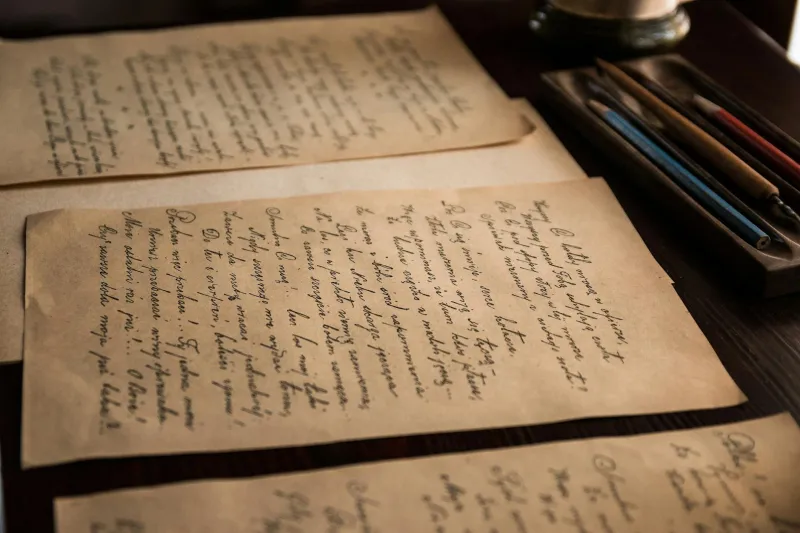
In 1923, a young man in Chicago who wanted to tell a woman he loved her had exactly one option: he sat down with pen and paper, chose his words carefully, walked to the post office, and waited three days for his letter to reach her doorstep across town. Today, that same declaration of love travels 3,000 miles in 0.3 seconds — and somehow carries less weight than ever before.
The transformation of romantic communication from deliberate correspondence to instant digital noise represents one of the most dramatic shifts in human behavior of the past century. What we gained in speed, we lost in substance. What we gained in convenience, we lost in commitment.
When Words Actually Mattered
Before the telephone became affordable for average Americans in the 1950s, written letters were the primary way couples maintained long-distance relationships. A soldier stationed overseas might wait weeks for a letter from home. A college student would budget carefully to afford the 3-cent stamp needed to write to his sweetheart.
These letters weren't dashed off between meetings or typed while watching TV. They were composed during dedicated time, often by candlelight or lamplight, with the writer's full attention focused on conveying genuine emotion. People kept special stationery for romantic correspondence. They practiced their penmanship. They chose their words knowing each one would be read multiple times and possibly kept forever.
The physical act of writing forced deliberation. You couldn't delete and retype. You couldn't send something in anger and immediately unsend it. If you made a mistake, you started over. This natural friction meant that written declarations of love carried weight — they represented time, effort, and genuine thought.
The Slow Death of Patience
The shift began gradually. Long-distance telephone calls became affordable in the 1960s and 1970s, allowing couples to hear each other's voices across great distances. But calls were expensive enough that they remained special occasions, planned and anticipated.
Email in the 1990s introduced the first taste of instant romantic communication, but it retained some formality. People still wrote in complete sentences, used proper grammar, and treated digital messages with some gravity. The barrier to entry — owning a computer and understanding how to use email — meant the medium retained a certain seriousness.
Then came text messaging, social media, and dating apps. Suddenly, romantic communication became as casual as ordering coffee. The effort required to express interest in another person dropped to nearly zero. Swiping right requires less energy than picking up a pen.
The Three-Second Attention Span
Today's romantic communication happens in bursts of abbreviated language that would be incomprehensible to someone from 1920. "Hey," "wyd," "u up?" — these fragments have replaced the carefully constructed sentences that once carried the weight of human longing.
The speed of modern communication has created new forms of cruelty that would have been impossible in the letter-writing era. "Ghosting" — suddenly ceasing all communication without explanation — has become so common it needed its own term. The effort required to simply ignore someone's digital messages is so minimal that it's become an acceptable way to end relationships.
Read receipts and "seen" notifications have introduced a new form of torture: knowing exactly when someone chose to ignore you. In the letter-writing era, silence could be explained by postal delays, lost mail, or family emergencies. Today, silence is a choice made visible.
What We Actually Lost
The shift from letters to texts isn't just about speed — it's about the fundamental nature of how we value human connection. When expressing romantic interest required genuine effort, it carried genuine meaning. When someone took the time to write a thoughtful letter, the recipient knew they had been worth that time and effort.
Modern dating apps have turned romantic connection into a marketplace where human beings are reduced to profile pictures and brief descriptions. The abundance of options has created a paradox: with more potential partners available than ever before, people report feeling more lonely and disconnected.
The art of sustained romantic conversation has nearly disappeared. Where couples once exchanged letters that built emotional intimacy over weeks and months, modern relationships often burn out in the time it takes to exchange a few dozen text messages.
The Price of Instant Everything
This transformation reflects a broader change in American culture: the elevation of convenience over meaning, speed over depth, efficiency over emotion. We've optimized romantic communication for maximum throughput and minimum effort — and we're surprised when it produces minimum satisfaction.
The love letters that couples once treasured and saved for decades have been replaced by digital messages that disappear into the void of our phones' memory. Future historians studying 21st-century romance will find deleted texts and expired Snapchats — if they find anything at all.
The next time you're tempted to send another three-word text to someone you care about, consider what your great-grandfather would have done with that same impulse. He would have sat down, taken out good paper, and spent an hour crafting sentences that conveyed the full weight of his feelings.
The technology exists to send instant messages across any distance. The question is whether we still remember how to make them worth receiving.
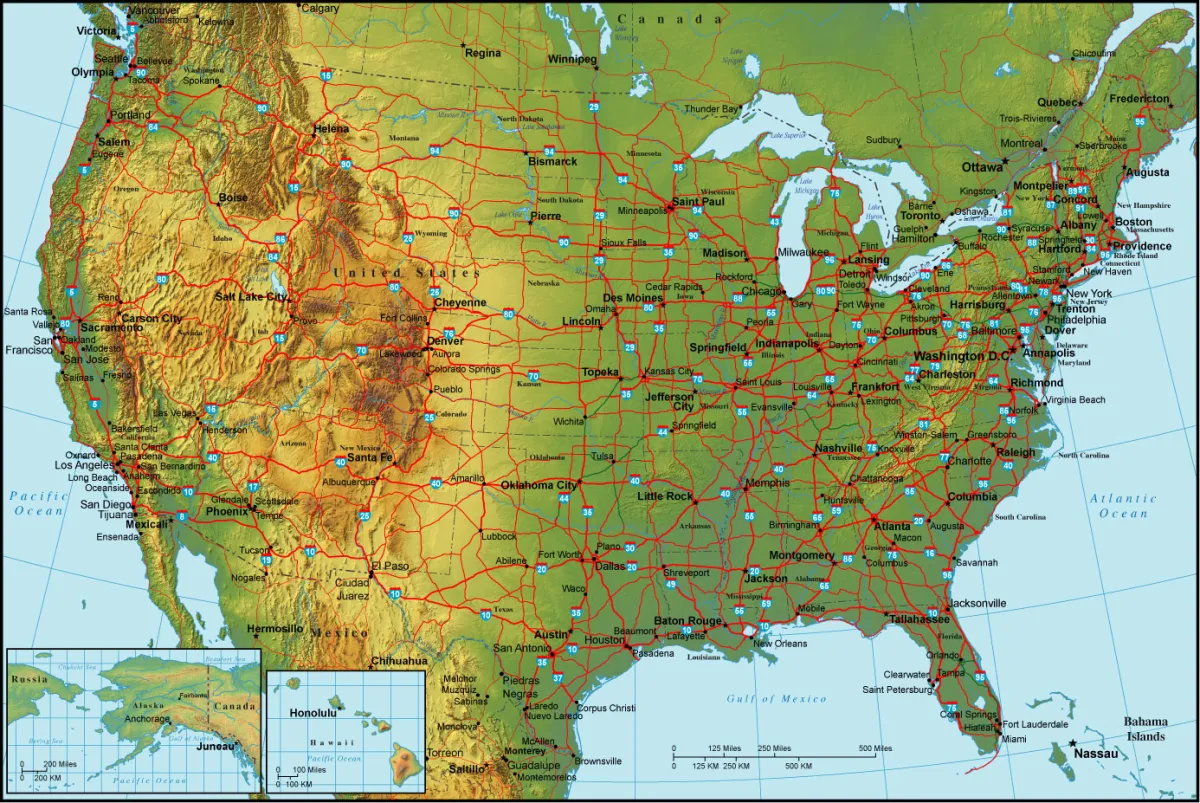 Photo: United States, via www.united-states-map.com