One Channel, One Nation: The Night America Stopped Watching Sports Together
One Channel, One Nation: The Night America Stopped Watching Sports Together
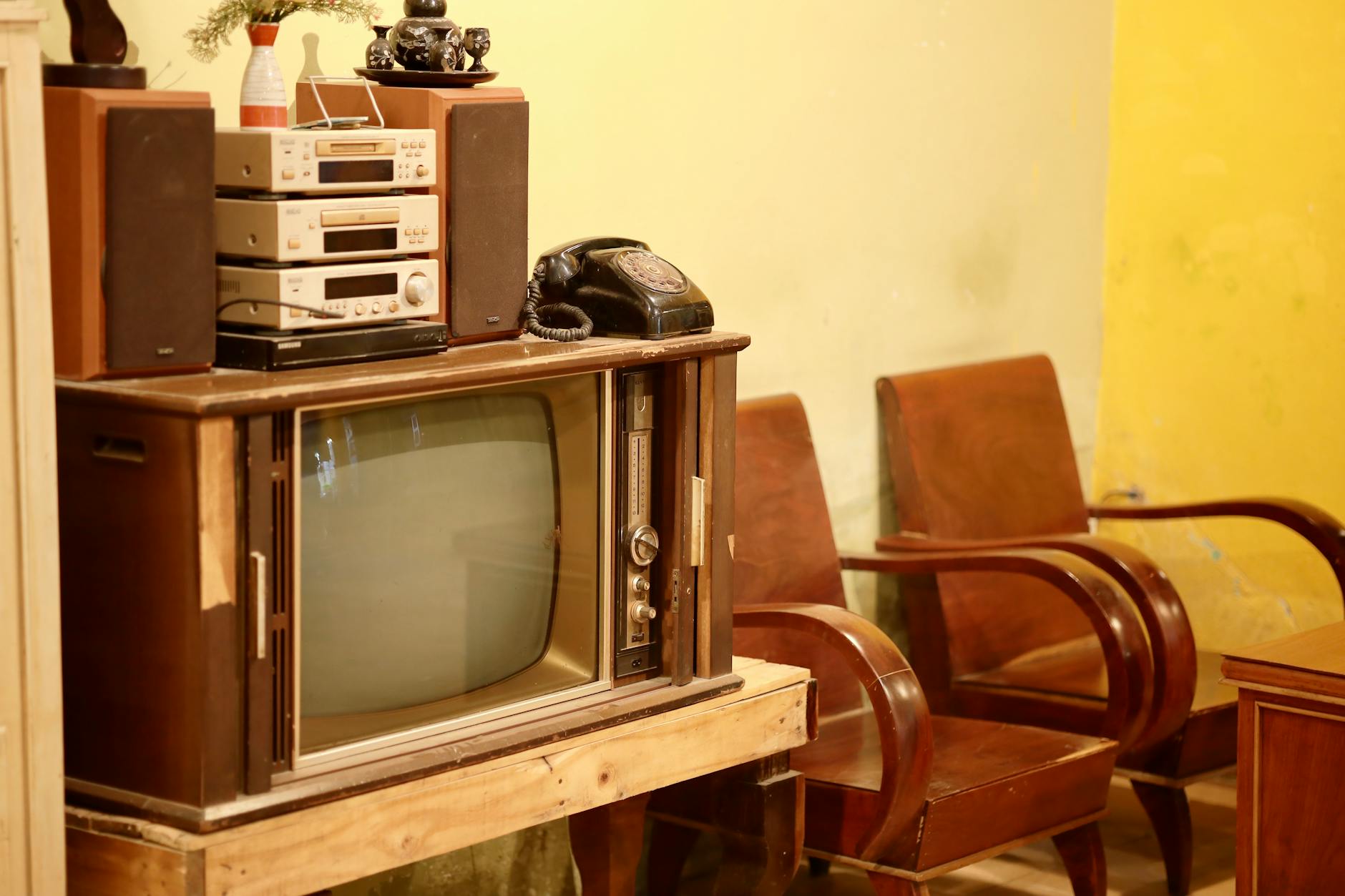
Picture a Sunday afternoon in 1979. Across the country, families are crammed onto couches, neighbors are pulling kitchen chairs into living rooms, and kids are sitting cross-legged on shag carpet two feet from a television set the size of a small refrigerator. There's one game on. Everyone is watching it. There is no other option — and somehow, that limitation made it extraordinary.
That version of American sports fandom didn't disappear all at once. It faded slowly, quietly, replaced by something more convenient and infinitely more fragmented. Today, you can watch almost any game you want, almost anywhere, on almost any device. And yet something genuinely irreplaceable walked out the door when the living room TV stopped being the center of the sports universe.
The Numbers That Tell the Story
At its peak, live sports on broadcast television wasn't just popular — it was a cultural event on par with the moon landing. Super Bowl XIV in January 1980 drew a 67 share, meaning roughly two-thirds of every television set in use in America at that moment was tuned to the same game. The 1978 World Series averaged over 44 million viewers per game across its six contests. Monday Night Football, which launched in 1970, regularly pulled 30 to 35 million viewers through the late 1970s and early 1980s — for a regular season game on a weeknight.
Compare that to today. The 2024 Super Bowl on CBS drew around 123 million viewers — a record number in raw terms — but that figure includes streams, out-of-home viewing, and simulcasts across multiple platforms. The NFL's regular season games on linear television have seen audience fragmentation accelerate sharply. Sunday Night Football, currently the most-watched program in American television, averages roughly 20 million viewers per game. Adjusted for population growth alone, that represents a dramatic contraction in the share of the country that ever gathers around the same broadcast.
The World Series tells an even starker story. Games in the 2023 Fall Classic drew between 9 and 15 million viewers — a fraction of what the late-1970s numbers commanded in a country with 100 million fewer people.
Why the Living Room Mattered
It's easy to frame this as a straightforward technology story — streaming arrived, cable expanded, and audiences naturally dispersed. That's true, but it misses what the shared viewing experience actually meant.
When a game existed on one channel at one time, it became a point of collective reference. You couldn't have missed it. Monday morning at work, everyone had seen the same fourth-quarter collapse, the same controversial call, the same improbable comeback. Sports functioned as a kind of national conversation starter that required no subscription, no device compatibility, and no algorithm to surface it. It was just there, like weather.
There was also something socially binding about the constraints. If you wanted to see the game, you had to be somewhere with a TV — which meant being somewhere with other people. Bars filled up. Neighbors knocked on doors. Extended family found reasons to visit. The scarcity of the broadcast created community almost by accident.
What Replaced It
The modern sports viewing landscape is, by almost every technical measure, superior. You can watch four games simultaneously. You can pull up advanced stats in real time. You can choose your own commentary team on some platforms. Blackout restrictions aside — and those remain a genuinely maddening holdover — access has expanded in remarkable ways.
But access and shared experience are not the same thing. Today's sports media environment is deeply personalized and deliberately so. Streaming platforms serve different games to different subscribers. Social media replaces the communal viewing room with a timeline of reactions that each person sees differently, filtered by who they follow and what the algorithm decides to surface. Even within a household, it's entirely normal for two people to be watching different games in different rooms on different devices.
The result is a sports culture that is simultaneously more available and more isolated. You can watch more sports than ever before. You just can't watch them with America.
The Fans Who Feel the Difference
Ask anyone who grew up watching sports in the 1970s or 1980s what they miss most, and the answer is rarely a specific game or player. It's the feeling of everyone being in it together. The knowledge that when something remarkable happened — a buzzer-beater, a no-hitter, a championship-clinching moment — the whole country saw it happen at the same time.
That shared experience had a cultural weight that modern sports, for all its technological sophistication, struggles to replicate. Viral clips can spread a highlight to millions within minutes, but it's not the same as millions of people watching it live, in real time, knowing that everyone else is watching too.
What Got Left Behind
None of this is an argument against streaming, or against the genuine improvements that come with more choice and better access. Progress rarely moves backward, and there's no realistic path to a world where 65 percent of American households tune into the same game on the same channel on a Saturday afternoon.
But it's worth pausing to acknowledge what that world contained that this one doesn't. Sports used to be one of the few things that genuinely united the country across geography, income, and background — not because anyone planned it that way, but because there was only one channel and everyone was watching it.
The living room TV didn't just show the game. For a few hours a week, it made the whole country the same room.