The $2 Bleacher Seat Is Gone Forever — Here's the Real Price of Being a Fan
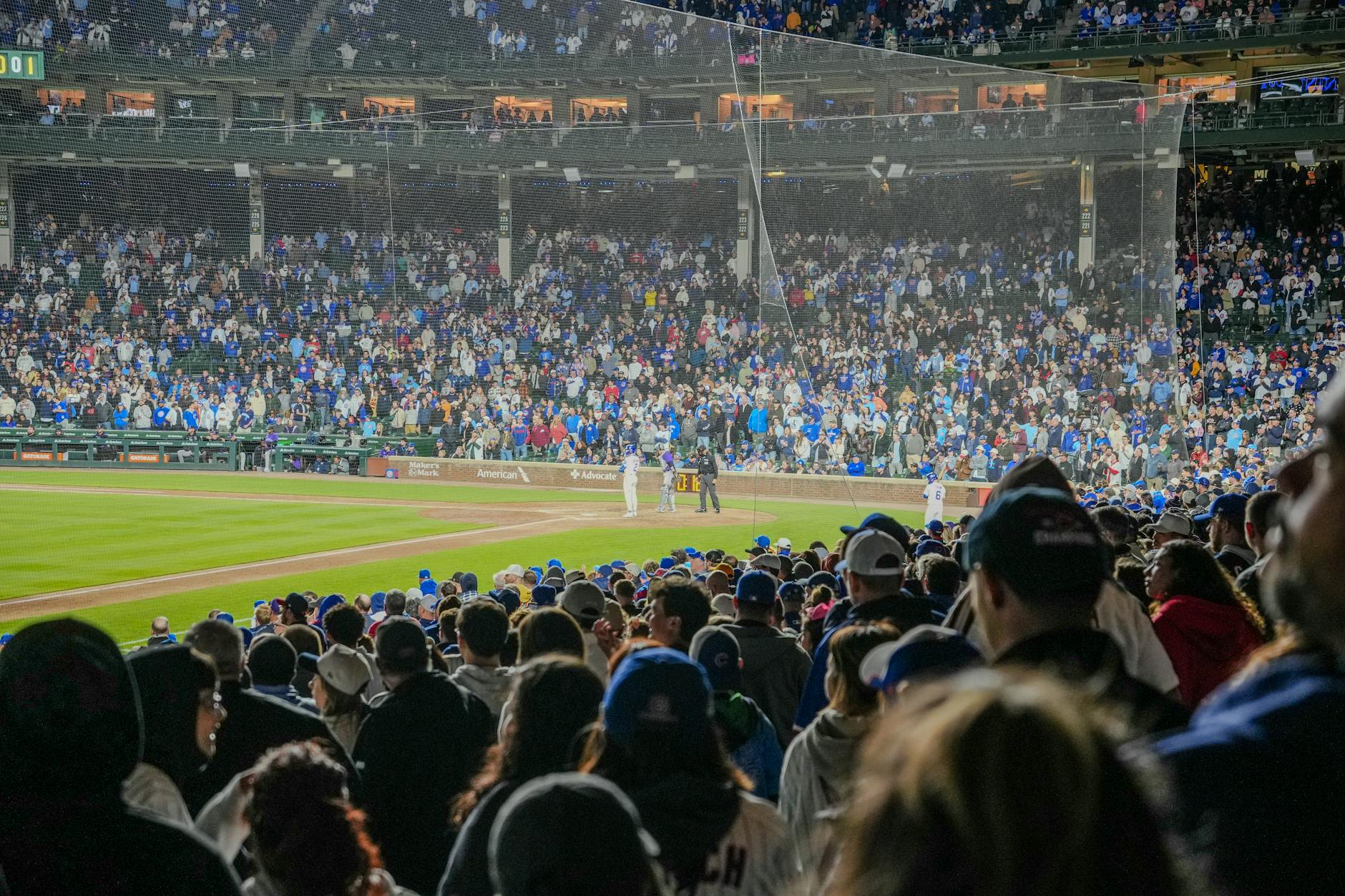
The $2 Bleacher Seat Is Gone Forever — Here's the Real Price of Being a Fan
In 1971, a bleacher seat at a Cincinnati Reds game cost $1.50. A hot dog was a quarter. Parking near Riverfront Stadium ran you about a dollar. You could take your kid to a ballgame for under five dollars and still have change left over for a souvenir pennant.
Adjusted for inflation, that entire outing — tickets, food, parking — would cost roughly $35 to $40 in today's dollars. A comparable afternoon at Great American Ball Park in 2024 will run you somewhere between $150 and $300, depending on where you sit, what you eat, and how far you're willing to walk from your car.
That gap isn't just inflation doing its normal work. Something more deliberate happened to the economics of American sports fandom, and it reshaped who these games are actually for.
What the Numbers Actually Show
Let's run the real math across a few decades, because the raw ticket prices alone don't tell the full story.
In 1975, the average MLB ticket cost $3.53. Inflation-adjusted to 2024 dollars, that's roughly $20. The actual average MLB ticket price in 2024? Around $36 — nearly double the inflation-adjusted historical figure, and that's before you've touched a single concession stand.
The NFL is where the numbers get genuinely difficult to absorb. The average ticket to an NFL game in 1975 cost about $9, which translates to approximately $51 in today's money. The 2024 average NFL ticket price sits around $151 for the regular season — and that figure balloons dramatically for marquee matchups. A playoff game? Budget $300 to $500 per seat before you've paid for parking. A Super Bowl seat in the lower bowl of a major stadium? You're looking at secondary market prices that routinely exceed $10,000.
NBA tickets have followed a similar trajectory. The average price to see an NBA game in the late 1970s was under $10. Today it's closer to $130, with teams in major markets — the Knicks, Lakers, Warriors — regularly pricing nosebleeds above $100 on the secondary market.
The Hidden Costs That Didn't Used to Exist
Ticket prices are only part of the story. The modern fan experience comes loaded with costs that simply weren't part of the equation fifty years ago.
Parking fees at major stadiums now routinely run $40 to $60 for official lots. A beer at an NFL game averages around $10 to $14 depending on the market — compared to under a dollar in the early 1970s, which even inflation-adjusted would be closer to $6. Stadium food has become an event in itself, with some venues charging $20 for a specialty sandwich and $8 for a bottle of water.
Then there are the fees that didn't exist at all in previous eras. Service charges on digital tickets. Mandatory bag checks. Premium parking tiers. Dynamic pricing, which allows teams and platforms to charge more simply because demand is high — meaning a game you planned to attend suddenly costs twice what it did when you first looked it up. Some teams have even experimented with "personal seat licenses," a system where fans pay thousands of dollars upfront for the right to purchase season tickets, before a single game is played.
From Working-Class Ritual to Premium Experience
The cultural shift embedded in these numbers is significant. For much of the twentieth century, attending a major league game was genuinely accessible to working-class Americans. Baseball, in particular, was built on the assumption that a steelworker or a postal clerk could take their family to the ballpark on a Friday night without it requiring financial planning.
That assumption is no longer operative. A 2023 report from Team Marketing Report found that the Fan Cost Index — a composite measure of what it costs for a family of four to attend a game, including tickets, parking, food, and two hats — exceeded $600 for an NFL game and topped $300 for MLB. For the average American household, that's a significant discretionary expense, not a casual evening out.
The demographics of live sports attendance have shifted accordingly. Study after study shows that the fans filling stadiums today skew wealthier, older, and more corporate than the crowds of previous decades. Many seats at NFL games — particularly in premium sections — are held by businesses as entertainment expenses, not by individual fans who saved up for the experience.
Who Built These Leagues, and Who Gets Priced Out
There's a particular irony embedded in this transformation. The fanbases that made the NFL, MLB, and NBA into billion-dollar enterprises were largely working-class communities in industrial cities. The Steelers were built by steel workers. The Packers are literally owned by the public. Baseball's identity for most of the twentieth century was inseparable from the neighborhoods that surrounded the ballparks.
Those fans haven't disappeared — but their relationship to live attendance has changed dramatically. Many have migrated to the minor leagues, where a family of four can still attend a game for under $60. Others watch from home, which is increasingly how leagues prefer it anyway; television and streaming rights generate far more revenue than gate receipts.
The View From the Cheap Seats
The cheap seats aren't cheap anymore. Some stadiums have effectively eliminated them, replacing upper-deck bleachers with club levels, premium lounges, and sponsored viewing areas that cost more than the old box seats ever did.
What replaced the affordable ballpark experience isn't nothing — the modern stadium is cleaner, safer, and more technologically impressive than anything fans experienced in 1975. But it is categorically different in terms of who it's designed for.
The $2 bleacher seat wasn't just an inexpensive ticket. It was a statement about who belonged in the building. That statement has been quietly revised, and the fans who grew up believing the ballpark was their place are still figuring out what to do with that.