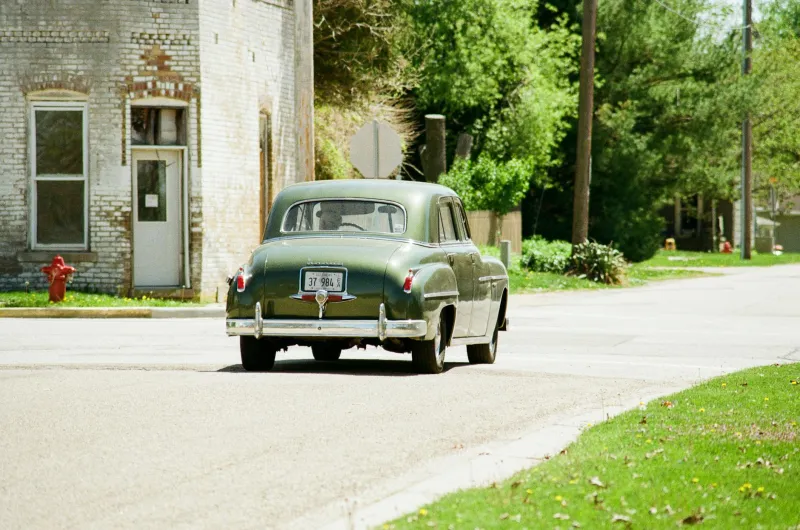
In 1975, Tommy Martinez saved every penny from his summer job scooping ice cream at the local Dairy Queen. By Labor Day, he had $1,200 in his sock drawer — enough to buy a three-year-old Chevy Nova with change left over for gas money through senior year. His story wasn't remarkable. It was typical.
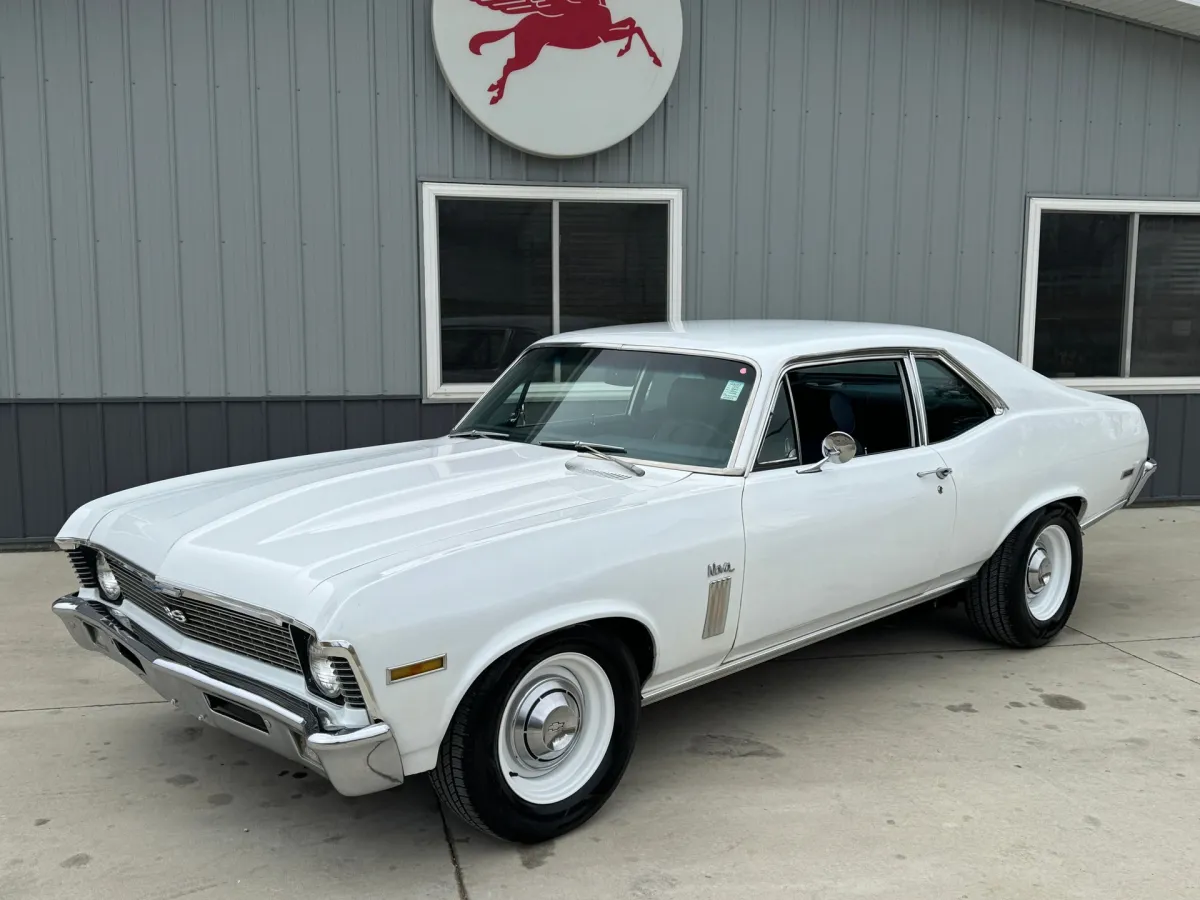 Photo: Chevy Nova, via cdn.dealeraccelerate.com
Today, a teenager working the same hours at the same type of job would need to save for three summers just to afford the down payment on that same car.
The Numbers Don't Lie
In 1975, the federal minimum wage was $2.10 per hour. A decent used car — something reliable enough for a high school student — cost around $1,500. Working 40 hours a week for 12 weeks, a dedicated teenager could earn $1,008 before taxes. Add in some weekend shifts or a second job, and that car was absolutely within reach.
Fast-forward to 2024. The federal minimum wage sits at $7.25 per hour, while that same reliable used car now costs $15,000 or more. A teenager working the same schedule would earn $3,480 before taxes — not even a quarter of what they need.
But the real gut punch comes when you adjust for inflation. That $2.10 minimum wage in 1975 had the purchasing power of about $11.50 today. America's teenagers are earning 37% less in real terms than their grandparents did.
When Summer Work Actually Mattered
The summer job used to be America's great equalizer. Rich kids and poor kids alike flipped burgers, mowed lawns, and bagged groceries. The difference was that poor kids could actually change their circumstances with the money they earned.
Maria Rodriguez worked at a movie theater in Phoenix during the summer of 1978. Her $2.65 an hour was enough to save for a semester of community college tuition — $400 — plus textbooks and gas money. "I felt like I was investing in my future," she recalls. "Every shift mattered."
Today's teenagers face a different reality. Community college tuition in Arizona averages $3,500 per semester. A movie theater worker earning minimum wage would need to work 482 hours — more than 12 full weeks — just to cover tuition. Forget about books, transportation, or living expenses.
The Great Disconnection
Something fundamental shifted in American economics between 1975 and today. It wasn't just inflation — it was a complete rewiring of how wealth flows through society.
In the mid-1970s, productivity gains were still shared broadly across the economy. When companies made more money, workers at every level saw their wages rise accordingly. The teenager at the gas station benefited from the same economic forces that enriched the gas station owner.
That connection broke sometime in the 1980s. Productivity continued to soar, but the benefits flowed almost exclusively to the top. The result? A minimum wage that became disconnected from the actual cost of American life.
What We Lost Along the Way
The death of the meaningful teenage job represents more than just economic hardship — it's the collapse of a foundational American promise. For generations, young people learned that hard work led directly to tangible rewards. Save your money, buy your freedom.
This wasn't just about cars. Teenagers used summer earnings to fund college applications, start small businesses, or save for their first apartment. The job market gave them agency in their own lives.
Today's teenagers often work not for opportunity, but for survival. They're helping their families pay rent, not saving for their own futures. The summer job has transformed from a launching pad into a life preserver.
The Ripple Effect
When teenagers can't earn their way to independence, the entire economy suffers. Young people delay major purchases, live with their parents longer, and take on crushing debt for basic necessities. The consumer spending that once drove American growth gets pushed further and further into the future.
Meanwhile, the skills that summer jobs once taught — punctuality, customer service, money management — are increasingly learned in college internships that only wealthy families can afford to subsidize.
The Path We're On
Some states have raised their minimum wages significantly above the federal level. In California, where minimum wage reaches $20 per hour in some cities, teenagers are starting to regain some purchasing power. But even there, the cost of everything else — housing, education, transportation — has risen faster than wages.
The fundamental question remains: Does America still believe that a teenager willing to work hard should be able to earn their way to a better life?
For Tommy Martinez, now 67 and a retired electrician, the answer seems obvious. "That Chevy Nova didn't just get me to school," he says. "It taught me that I could work for what I wanted and actually get it. Kids today don't have that same shot, and that's not their fault — that's ours."