You check your phone and see rain starting in 37 minutes. You grab an umbrella and adjust your dinner plans accordingly. This casual relationship with weather prediction would have seemed like magic to Americans just 60 years ago.
In 1965, the most accurate weather forecast covered maybe 24 hours, and even then, it was wrong about 40% of the time. Beyond that? Pure guesswork. And when you're gambling with the weather, the house always wins.
When Farmers Played Russian Roulette
Every spring, America's farmers faced an impossible decision: when to plant. Plant too early, and a late frost could destroy everything. Plant too late, and you'd miss the growing season. With no reliable long-term forecasting, farmers relied on folklore, intuition, and prayer.
The spring of 1966 devastated Midwest agriculture. Farmers, encouraged by two weeks of warm weather in early April, planted their corn and soybeans. Then came the killing frost of April 28-29, wiping out crops across Illinois, Indiana, and Iowa. Entire families lost their life savings in a single night because nobody saw it coming.
"My grandfather planted 200 acres of corn that year," recalls Jim Patterson, whose family farmed in central Illinois. "When that frost hit, he lost everything. No crop insurance, no backup plan. He had to sell the farm and move to Chicago to work in a factory."
Today's farmers receive 10-day forecasts with temperature predictions accurate to within a few degrees. Satellite imagery shows them exactly where storm systems are developing, and computer models can predict frost conditions days in advance. The difference isn't just convenience — it's the difference between agriculture as a calculated risk and agriculture as pure gambling.
The Deadly Seas
Ocean travel in the pre-satellite era was a constant dance with death. Ships left port with only the vaguest sense of what weather they might encounter, relying on radio reports from other vessels and coastal weather stations that might be hundreds of miles away.
The SS Marine Sulphur Queen disappeared in February 1963 somewhere off the Florida coast. The Coast Guard investigation revealed that the ship sailed directly into a storm system that modern forecasting would have tracked for days. All 39 crew members died because nobody knew the storm was there.
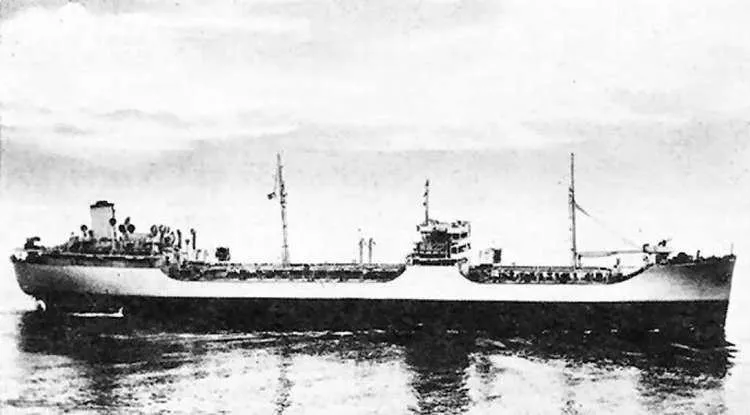 Photo: SS Marine Sulphur Queen, via alchetron.com
Commercial fishing was even more dangerous. Boats would leave port for week-long trips with no way to know if hurricanes or severe storms were developing. The Andrea Gail tragedy, made famous by "The Perfect Storm," happened in 1991 — but similar disasters occurred regularly throughout the 1950s and 60s without making headlines.
"We used to call it 'reading the water,'" says Captain Mike Torres, who fished off the New England coast for 40 years. "You'd look at the waves, smell the air, watch how the birds were flying. Sometimes you were right, sometimes you weren't. A lot of good men didn't come home because they weren't."
The Military's Weather Wars
Perhaps no organization suffered more from weather uncertainty than the U.S. military. D-Day was postponed 24 hours because of weather, and even then, commanders were essentially guessing about conditions.
During the Korean War, American forces were repeatedly caught off guard by weather changes that modern forecasting would predict days in advance. The brutal winter of 1950-51 became far deadlier because troops had no warning of temperature drops that would reach 30 below zero.
Vietnam presented different challenges. Monsoon seasons could ground air support for weeks, but commanders never knew exactly when the rains would start or stop. Missions were planned around weather patterns that might or might not materialize, leading to countless tactical disasters.
When Vacation Meant Taking Your Chances
Family vacations in the 1950s and 60s required a level of weather-related courage that modern Americans can barely imagine. Families would drive hundreds of miles to beach destinations with no idea whether they'd encounter sunshine or hurricanes.
The summer of 1954 saw Hurricane Carol slam into New England just as peak vacation season began. Thousands of families who had planned beach vacations found themselves evacuating coastal areas with no advance warning. Hotels and motels were destroyed, vacation savings were lost, and some families didn't make it home.
"We'd pack the station wagon and just hope for the best," remembers Betty Sullivan, who took her family to Cape Cod every summer in the 1960s. "You'd listen to the radio for weather reports, but they were usually wrong anyway. If it rained for a week, well, that was just your luck."
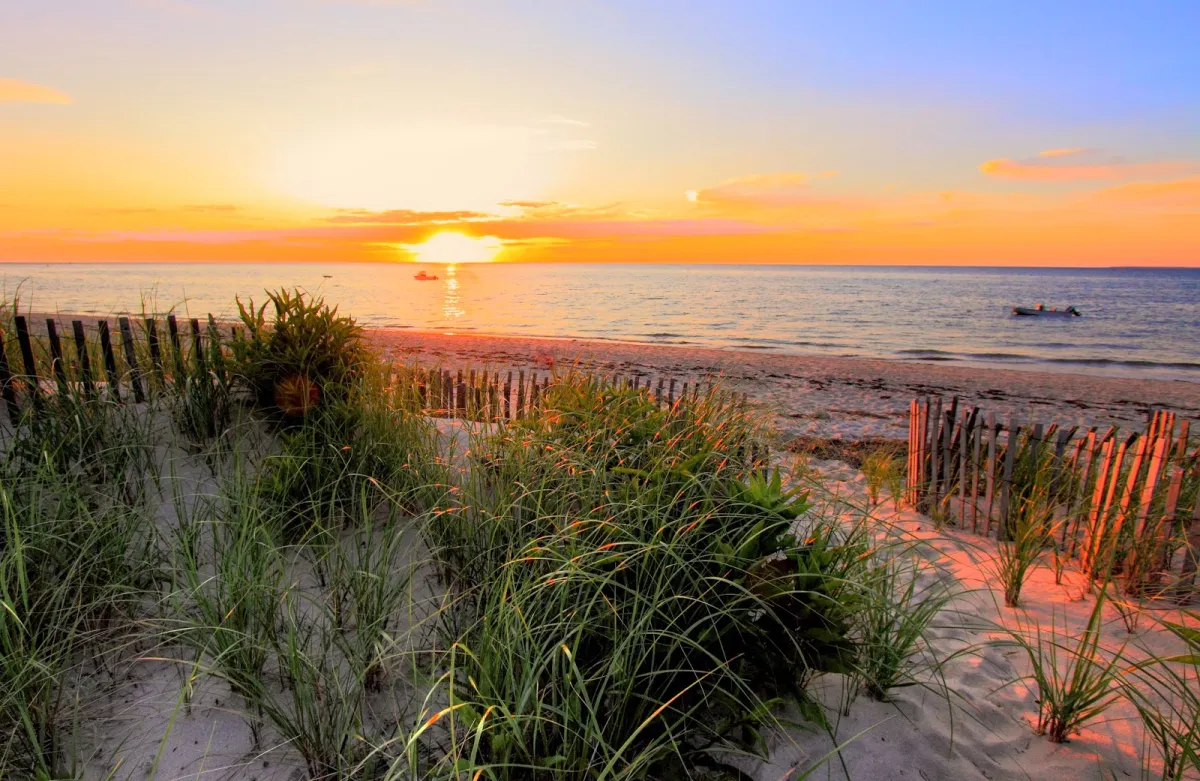 Photo: Cape Cod, via 3.bp.blogspot.com
The Science Revolution
The transformation began with satellites. TIROS-1, launched in 1960, provided the first weather images from space. Suddenly, meteorologists could actually see storm systems forming over the ocean, track their movement, and predict their paths.
By the 1970s, computer modeling began revolutionizing weather prediction. Instead of relying on individual weather stations reporting local conditions, meteorologists could input data from around the globe and run mathematical models to predict weather patterns days in advance.
The National Weather Service, established in 1970, created the first systematic approach to weather forecasting in American history. For the first time, farmers in Kansas could know what weather was coming from systems still developing over the Pacific Ocean.
The New Reality
Today's weather forecasting isn't perfect, but it's miraculous compared to what previous generations endured. Your phone can tell you not just whether it will rain tomorrow, but exactly when the rain will start, how heavy it will be, and when it will stop.
Farmers plan their planting and harvesting around 10-day forecasts that are accurate 85% of the time. Commercial airlines reroute flights around storms that are still forming over the Atlantic. The Coast Guard can warn fishing boats about dangerous weather conditions days before they develop.
Hurricane tracking has become so precise that evacuations now happen in orderly phases, giving families days to prepare instead of hours to flee.
What We Take for Granted
The casual way modern Americans interact with weather represents one of the most dramatic improvements in human safety and economic security in the past century. We plan outdoor weddings months in advance, schedule construction projects around weather patterns, and make travel decisions based on forecasts that our grandparents could never have imagined.
But this technological miracle has made us forget how dangerous uncertainty used to be. Every farmer who didn't lose his crop to unexpected frost, every sailor who made it home safely, every family whose vacation wasn't ruined by surprise storms — they all owe their good fortune to satellites they'll never see and computer models they'll never understand.
The next time you check your weather app and decide to bring an umbrella, remember: you're not just planning your day. You're participating in a scientific achievement that has saved countless lives and transformed how humans interact with the natural world.