When Sports Belonged to Rich People: How Stadium Lights Made Games for Everyone
The 3 PM Problem
Imagine being a baseball fan in 1920 and never seeing your team play live. Not because you couldn't afford tickets, but because every single game started at 3 PM on a Tuesday afternoon. While wealthy businessmen and society folks filled the grandstands, factory workers, shop clerks, and anyone with a regular job was locked out of America's pastime.
This wasn't some cruel oversight—it was simply reality before stadium lighting existed. Professional sports operated on nature's schedule, which meant games had to wrap up before sunset. The result was a sports culture that catered almost exclusively to people who didn't punch a time clock.
When Lights Were Luxury
The first attempt at night baseball happened in 1880 in Massachusetts, using primitive arc lights that cast eerie shadows and made tracking fly balls nearly impossible. The experiment failed spectacularly, and for the next 50 years, the idea of playing sports after dark remained a pipe dream.
Even when technology improved, team owners resisted change. They worried that night games would attract "undesirable" crowds—code for working-class fans who might drink beer and get rowdy. The established afternoon audience was refined, predictable, and profitable enough.
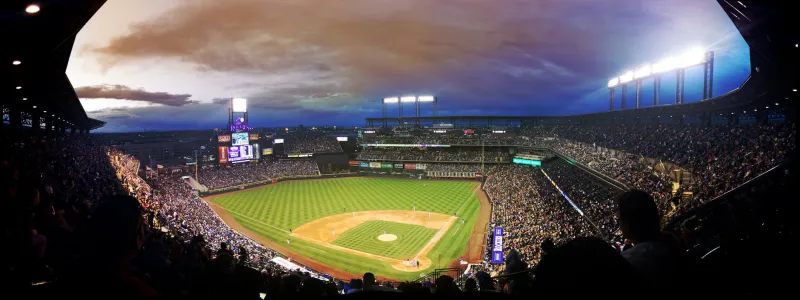
Cincinnati's Crosley Field broke the barrier in 1935, hosting Major League Baseball's first official night game. President Franklin Roosevelt pressed a button from the White House to turn on the lights, and 20,422 fans showed up—double the typical attendance. But most teams remained skeptical.
The Slow Revolution
What followed wasn't a rapid transformation but a decades-long crawl toward change. By 1940, only seven MLB stadiums had lights. Teams limited night games to avoid alienating their traditional daytime crowds. The Chicago Cubs famously held out until 1988, making Wrigley Field the last major league park to install permanent lighting.
Football faced similar resistance. College games remained Saturday afternoon traditions, while the NFL scheduled most games for Sunday at 2 PM. Night games were rare spectacles that felt almost transgressive—like sports were happening when they weren't supposed to.
The real breakthrough came with television. Networks discovered that prime-time sports drew massive audiences of people who worked during the day. Monday Night Football, which debuted in 1970, proved that Americans would rearrange their entire evening around a well-lit game.
What We Lost and Gained
The old system had its charms. Afternoon games moved at a leisurely pace, with natural light creating a timeless quality that photographers and poets loved. Players performed without the harsh glare of artificial illumination, and games felt connected to the rhythms of daily life.
But the barriers were real. A 1950 survey found that 73% of baseball fans had never attended a live game, primarily because of scheduling conflicts with work. Sports belonged to people who controlled their own time—business owners, retirees, and the independently wealthy.
Lighting changed everything. Suddenly, a machinist finishing his shift at 5 PM could grab dinner and catch the first pitch at 7:30. Families could attend games together without kids missing school. Sports became genuinely democratic entertainment.
The New Normal
Today's sports calendar would seem insane to fans from the 1940s. World Series games start at 8 PM Eastern, meaning West Coast viewers begin watching at 5 PM—right when their grandparents would have been heading home from the ballpark.
We have Thursday Night Football, Sunday Night Baseball, and college basketball games that tip off at midnight Eastern for TV audiences. The NCAA Tournament's "First Four" games happen on Tuesday and Wednesday nights, drawing millions of viewers who would have been completely excluded from sports culture 80 years ago.
The financial impact is staggering. Prime-time TV contracts generate billions that fund everything from player salaries to new stadiums. Without night games, there would be no ESPN, no regional sports networks, and probably no modern sports media industry.
More Than Just Lights
Stadium lighting did more than extend playing hours—it fundamentally changed who American sports served. The afternoon crowd was homogeneous by design, reflecting the limited demographics of people with flexible weekday schedules.
Evening games brought diversity. Working parents, young adults, shift workers, and families could finally participate in live sports culture. The crowds got louder, more passionate, and more representative of actual communities.
This shift also transformed player development. Kids who worked after school could still play organized sports under lights, expanding the talent pool beyond families wealthy enough to support afternoon athletics.
The Eras Apart
The gap between sports then and now isn't just about technology—it's about access and democracy. A simple innovation like artificial lighting tore down invisible barriers that had excluded millions of Americans from their own national pastimes.
Next time you're watching a game at 10 PM, remember that this experience would have been impossible for your great-grandparents. They lived in an era when sports happened on nature's schedule, serving nature's elite. We live in the age they helped create by demanding something better: games that work for everyone.