The Kid With the Paintbrush
In 1962, a 16-year-old named Tommy Sullivan climbed into the cramped scoreboard at Boston's Fenway Park every game day, armed with nothing more than white paint and a steady hand. His job? Manually update the scores for every major league game happening across America. When Ted Williams stepped to the plate, Tommy would carefully paint the batting average — .344 — onto a green wooden board that thousands of fans squinted to read from the bleachers.
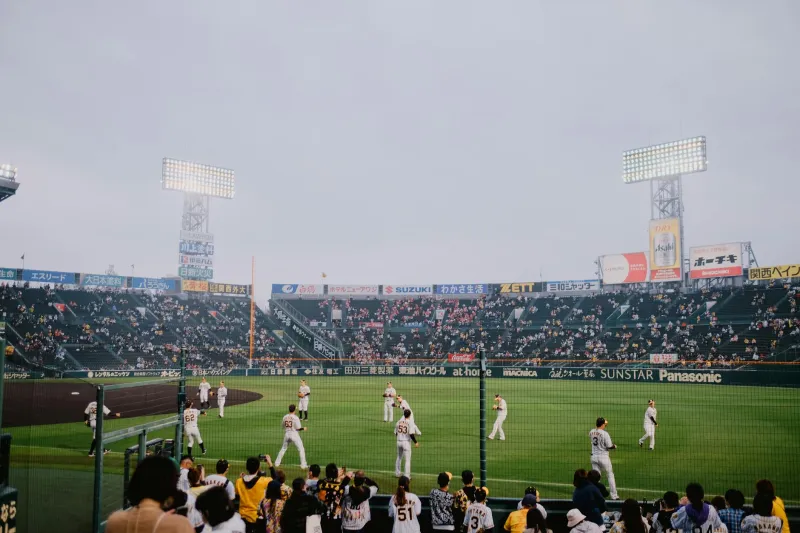
That world feels impossibly quaint now. Walk into any modern stadium and you're hit with a sensory assault that would've sent Tommy running for cover: 360-degree LED ribbons, high-definition replay screens the size of apartment buildings, and sound systems that can literally shake the concrete beneath your feet.
When Simple Was Actually Simple
The old scoreboards weren't just smaller — they were fundamentally different beasts. Fenway's famous Green Monster scoreboard, installed in 1934, required a crew of three operators working behind the scenes. They'd receive Western Union telegraph updates from games around the league and manually slide metal numbers into slots. No instant replays, no animated graphics, no Kiss Cam.
Fans had to pay attention differently. You couldn't glance up and immediately know that the left fielder's sprint speed was 28.7 feet per second or that the pitcher's four-seam fastball had 2,247 RPM of spin. The scoreboard told you the score, maybe some basic stats, and that was it. You watched the game, not the screen.
Compare that to today's experience at AT&T Stadium in Dallas, where the center-hung video board stretches 160 feet wide — longer than the width of the football field itself. It cost $40 million and contains 30 million LED lights. The thing is so massive that punters have actually hit it during games.
The Birth of Electronic Everything
The transition didn't happen overnight. The first electronic scoreboard appeared at Brooklyn's Ebbets Field in 1930, but it was basically just electric bulbs arranged to show numbers. The real revolution began in 1965 when the Houston Astrodome installed what they called the "Astrolite" — a $2 million electronic marvel that could display animations and messages.
Fans were mesmerized. For the first time, a scoreboard could show a cartoon cowboy lassoing a steer after a home run. It sounds primitive now, but in 1965, this was like watching television come to life in the middle of a ballpark.
The arms race was on. By the 1980s, every new stadium needed bigger, brighter, more entertaining displays. The term "Jumbotron" — originally a Sony trademark — became generic shorthand for any massive stadium screen, the way "Kleenex" means tissue.
What We Gained (And What We Lost)
Today's stadium technology is genuinely miraculous. High-definition instant replay from twelve different angles means you'll never miss a crucial call. Real-time statistics flash constantly, turning every at-bat into a data-rich experience. Between-inning entertainment keeps crowds engaged during natural lulls in the action.
But something subtle disappeared along the way: the quiet moments. In Tommy Sullivan's era, fans talked to each other during pitching changes. They bought scorecards and kept their own statistics with stubby pencils. The game's natural rhythm wasn't interrupted by constant digital stimulation.
Modern stadiums pump out 90-95 decibels of ambient noise even during quiet moments — that's louder than city traffic. Every pause in action gets filled with sponsored content, trivia contests, or crowd-participation games designed to maximize engagement and revenue.
The Numbers Tell the Story
The financial transformation is staggering. In 1960, Fenway Park's entire annual maintenance budget was around $50,000. Today, maintaining the LED systems at a single modern stadium can cost $500,000 annually — ten times more than running an entire ballpark used to cost.
Attendance hasn't necessarily improved despite all this technology. The 1960 World Series averaged 67,000 fans per game. The 2023 World Series averaged 54,000. Maybe the enhanced experience attracts some fans, but it clearly hasn't solved baseball's broader popularity challenges.
The Scoreboard as Mirror
Those hand-painted wooden boards reflected a different America — one with more patience, less stimulation, and fewer entertainment options competing for attention. Fans came to watch baseball, not to experience multimedia entertainment packages that happened to include some baseball.
Today's Jumbotrons reflect our current moment perfectly: bigger, louder, more connected, and relentlessly entertaining. Whether that's progress or just change depends on what you think sports are supposed to provide. But one thing's certain — Tommy Sullivan's paintbrush couldn't compete with 30 million LED lights, and we're still figuring out what exactly we traded away to get them.