Your Grandfather's Car Deal Was Actually Better: When Buying Wheels Took One Saturday

When Car Dealers Were Actually Neighbors
Walk into Murphy Ford in downtown Syracuse in 1973, and you'd likely meet Murphy himself — a guy who lived three neighborhoods over, whose kids went to the local high school, and who'd been selling cars to your community for twenty years. He knew your family, probably sold your uncle his truck, and had a reputation to maintain that extended far beyond the lot.
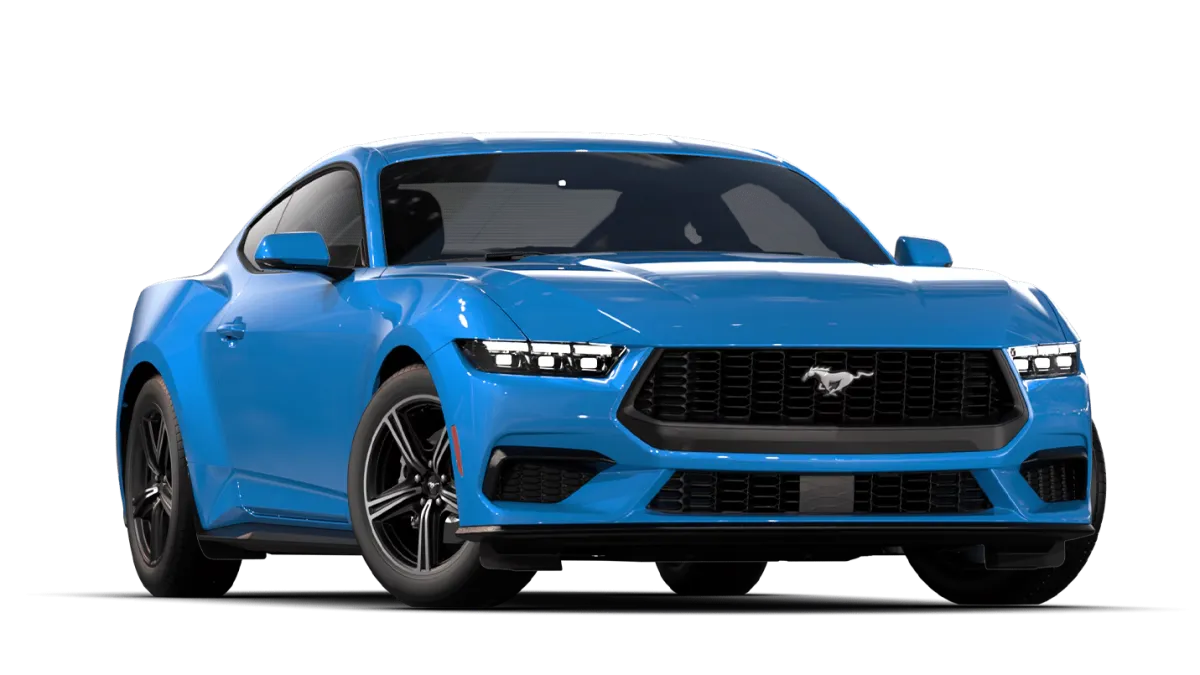 Photo: Murphy Ford, via assets.carpages.ca
The sticker price meant something back then. Not everything, but something. You could negotiate, sure, but within reasonable bounds. Murphy wasn't going to gouge you because he'd see you at the grocery store next week. The deal was straightforward: pick your car, discuss the price, arrange financing (often right there with the dealership), and drive home.
Most importantly, the process took hours, not weeks. A Saturday afternoon could transform you from a person who needed a car into a person who owned one.
The Vanishing Art of the One-Day Deal
Before the internet "improved" car buying, the entire transaction happened face-to-face in real time. You walked the lot, asked questions, took a test drive, and made a decision. The salesperson's job was to help you find a car that fit your needs and budget, not to maximize profit per unit through psychological manipulation.
Financing was simpler too. The dealer worked with a few local banks, knew roughly what you'd qualify for based on a brief conversation about your job and down payment, and could often approve you on the spot. No credit monitoring services, no algorithmic risk assessments, no waiting for computers to decide if you deserved transportation.
The paperwork was minimal because the deal was straightforward. You weren't signing up for extended warranties you'd never use, paint protection packages that cost more than they were worth, or financing products designed to generate additional profit streams. You bought a car, not a portfolio of automotive financial products.
When Technology Made Everything Worse
The internet was supposed to make car buying easier by giving consumers more information and more choices. Instead, it created a system where dealers could complicate every aspect of the process while appearing to offer more transparency.
Modern dealerships use the same dynamic pricing strategies as airlines and hotels. The "invoice price" that websites display bears little resemblance to what you'll actually pay once dealer markups, "market adjustments," and mandatory add-ons get factored in. A Honda Civic with an MSRP of $25,000 can easily become a $32,000 transaction by the time you reach the finance office.
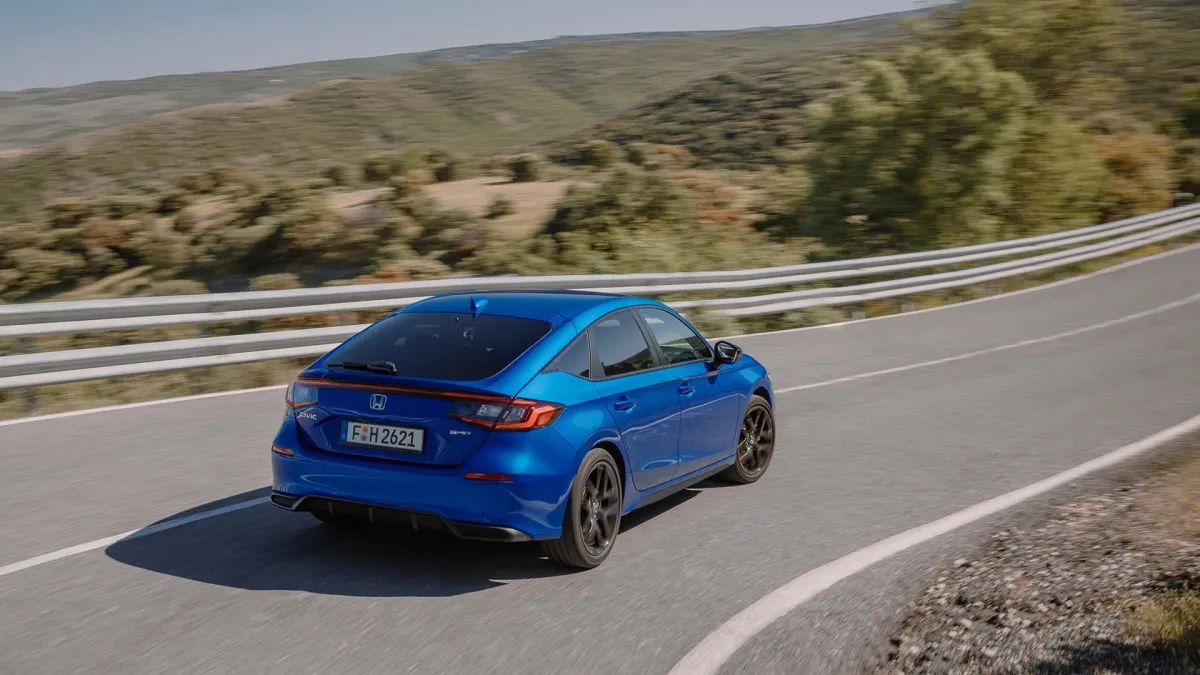 Photo: Honda Civic, via static1.topspeedimages.com
Online research, which was supposed to empower buyers, instead created an arms race of information. Dealers now know exactly what you researched, how long you spent on their website, and what other cars you've been looking at. They use this data to customize their sales approach in ways that would have been impossible in Murphy's era.
The Finance Office Gauntlet
Perhaps nowhere is the contrast more stark than in vehicle financing. In the 1970s, if you needed a loan, the dealer would call the bank, discuss your situation, and get you an answer. The interest rate was the interest rate — not a starting point for negotiation.
Today's finance office has become a profit center disguised as a service department. The actual interest rate you qualify for is just the beginning. Finance managers are trained to sell you gap insurance, extended warranties, paint protection, fabric protection, wheel insurance, and maintenance packages. They present these as essential protection for your investment, but they're really high-margin products that can add thousands to your final cost.
The process has become so complex that many buyers don't actually understand what they've agreed to pay until they get their first monthly statement. Multiple rebates, trade-in allowances, financing incentives, and add-on products create a web of numbers that even educated consumers struggle to parse.
When Local Meant Accountable
The old neighborhood dealership model had built-in consumer protection that no government regulation could replicate: social accountability. Murphy Ford couldn't get away with predatory practices because Murphy had to face his customers at church on Sunday.
Local dealers depended on repeat customers and word-of-mouth recommendations. Selling someone a lemon or hiding fees in the paperwork was bad for long-term business. The relationship extended beyond the sale — these dealers serviced what they sold and stood behind their work because their reputation in the community depended on it.
Modern dealership networks, often owned by large corporate groups, don't have the same social constraints. The sales manager you negotiate with might not even live in your state, let alone your neighborhood. Customer satisfaction scores matter, but they're abstractions compared to the immediate social feedback that kept local dealers honest.
The Subscription Economy Invades
Today's car buying experience reflects broader changes in how companies think about customer relationships. Instead of selling you a product and moving on, modern dealers want to establish ongoing revenue streams through financing, insurance, maintenance contracts, and even subscription services.
Your new car might require a monthly subscription to unlock features that are already installed. The heated seats work, but you'll pay extra to use them. The navigation system has the maps, but accessing them costs extra. This would have been unthinkable in an era when buying a car meant owning all its features.
What Simple Actually Looked Like
The contrast isn't just about nostalgia — it's about how complexity serves different interests. When car buying was simple, the process served buyers who wanted transportation. When it became complex, it began serving sellers who wanted to maximize profit per transaction.
Your grandfather's car deal was better not because people were nicer back then, but because the system was structured to prioritize different outcomes. A quick, fair transaction benefited everyone: buyers got what they needed without hassle, and dealers built the long-term relationships that sustained their businesses.
Today's system optimizes for short-term profit extraction rather than long-term customer satisfaction. It's more sophisticated, more data-driven, and more profitable for dealers. Whether it's better for the people who just need reliable transportation to get to work is a different question entirely.
Progress in car buying, it turns out, meant making a simple process complicated — and calling that improvement.