When Baseball Was for Everyone: The Death of the Walk-Up Crowd
The Golden Age of Impulse Baseball
Picture this: It's 1987, and you're driving through Cleveland on a Tuesday evening. You spot the lights of Municipal Stadium glowing in the distance and think, "Why not catch a few innings?" You park for free on the street, walk up to the ticket window, hand over eight dollars cash, and find yourself watching the Indians play the Yankees from decent seats along the first-base line.
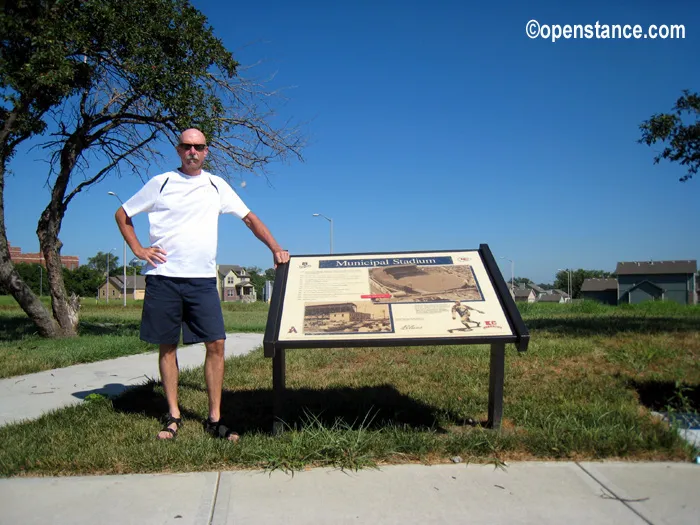 Photo: Municipal Stadium, via www.openstance.com
This wasn't a fantasy scenario — it was how baseball worked for most of its professional existence. Walk-up crowds were the lifeblood of America's ballparks, filling seats that season ticket holders couldn't use and creating the authentic atmosphere that made baseball feel like a community gathering rather than a corporate event.
When Ticket Windows Actually Mattered
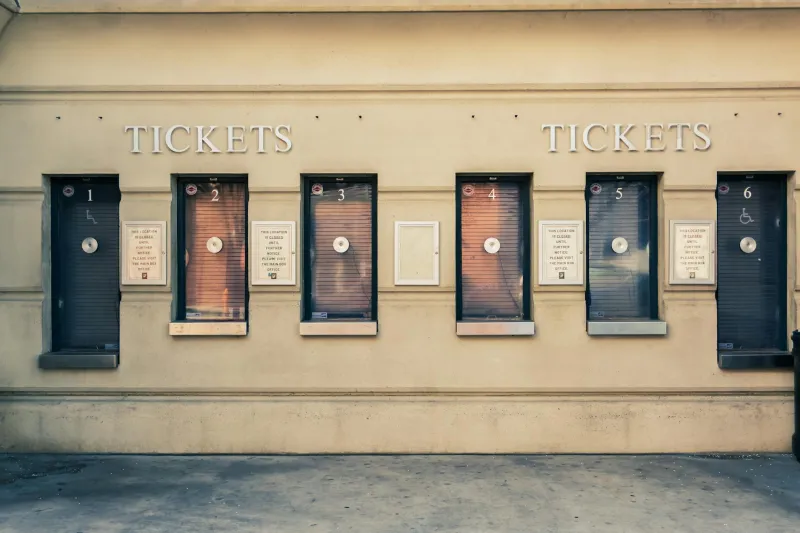
Every major league stadium had them: those little windows where actual humans sold actual paper tickets on game day. The person behind the glass usually lived in the neighborhood, knew the team's schedule by heart, and could tell you which sections had the best views for your budget.
Pricing was straightforward. General admission cost one amount, reserved seats cost another, and box seats were the premium option. There were no "platinum dynamic pricing zones" or "surge pricing algorithms." A Tuesday game against Kansas City cost the same whether they were in first place or last.
 Photo: Kansas City, via www.breakfastinamerica.me
The ritual was simple: show up, pay cash, get a paper ticket, find your seat. No apps to download, no QR codes to worry about, no need to plan your spontaneous fun three weeks in advance.
The Digital Wall Goes Up
The transformation didn't happen overnight, but by the 2010s, the old system was crumbling. Teams discovered they could extract more money from every seat by implementing dynamic pricing — the same technology airlines use to charge different passengers wildly different amounts for identical seats.
Suddenly, those $8 bleacher seats became $12 on Monday, $18 on Friday, and $35 if the visiting team happened to be popular. The price changed not just by day, but by hour, making it impossible for casual fans to budget for a spontaneous game.
Then came the apps. Teams insisted that mobile ticketing was more convenient, but convenience for whom? For fans who planned weeks ahead and were comfortable navigating smartphone interfaces, maybe. For the grandmother who wanted to take her grandson to a game after school, or the construction worker who got off early and thought he'd catch a few innings? The new system became a barrier as tall as the Green Monster.
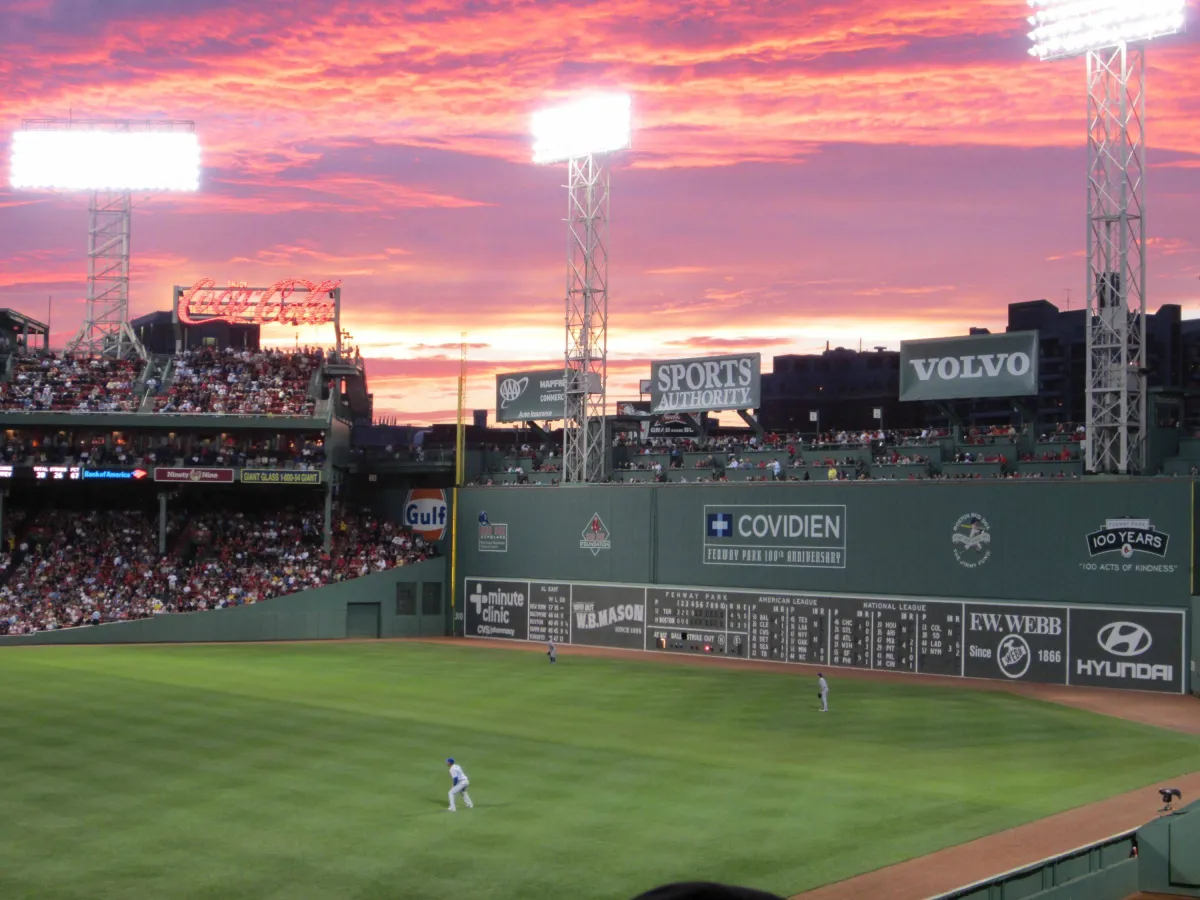 Photo: Green Monster, via cdn.wallpapersafari.com
The Pandemic's Final Blow
COVID-19 gave teams the excuse they needed to eliminate cash transactions entirely. "Contactless" became the buzzword that justified forcing every transaction through digital channels. Ticket windows closed permanently, not temporarily.
By 2022, most major league teams had eliminated walk-up sales entirely. Want to see a game? You'll need a smartphone, a credit card, and the foresight to buy tickets online hours or days in advance. The infrastructure for spontaneous fandom simply no longer exists.
What We Lost in Translation
The numbers tell part of the story. MLB attendance peaked in 2007 at over 79 million fans. By 2019 — before the pandemic — it had dropped to 68 million despite population growth and new stadiums. Teams blamed everything from shorter attention spans to streaming services, but they rarely mentioned that they'd systematically eliminated the easiest way for new fans to discover the game.
The old walk-up system did something that modern ticketing can't replicate: it created accidental fans. People who weren't planning to go to a game but found themselves at one anyway. Kids whose parents made spontaneous decisions that became lifelong memories. Tourists who stumbled upon baseball and fell in love with it.
The Real Cost of Efficiency
Teams argue that digital systems are more efficient, and they're right — if efficiency means squeezing maximum revenue from every seat. Modern algorithms ensure that no ticket is sold for less than market demand suggests it's worth. From a business perspective, it's brilliant.
But efficiency and accessibility aren't the same thing. The old "inefficient" system where a ticket cost the same price whether you bought it in February or an hour before first pitch served a different purpose: it kept baseball accessible to people who couldn't plan their entertainment like a military operation.
The Vanishing Casual Fan
What major league baseball lost wasn't just a sales channel — it was an entire category of fan. The casual supporter who might attend three or four games per year, always on impulse, always paying cash, always bringing someone new.
These fans didn't buy jerseys or season ticket packages, but they bought hot dogs and beer and parking. More importantly, they brought friends, family, and coworkers who might never have experienced baseball otherwise. They were the sport's best marketing tool, and teams eliminated them in pursuit of higher per-ticket revenue.
Today's baseball experience caters to two types of fans: season ticket holders who plan everything months in advance, and corporate groups booking entertainment packages. The middle ground — regular people making spontaneous decisions — has been algorithmically optimized out of existence.
The lights still shine over America's ballparks, but the game underneath them serves a much smaller slice of America than it used to. Progress, apparently, sometimes means moving backward.