When Losing Meant Learning: The Generation That Grew Up Without Participation Trophies

When Championships Actually Meant Something
In 1972, the Westfield Little League held its end-of-season ceremony in the school gymnasium. Twelve teams had played all summer, and one team — the Tigers — had won the championship. They got a trophy, a pizza party, and their picture in the local newspaper. Everyone else got a handshake, a "good season," and the understanding that they'd try again next year.
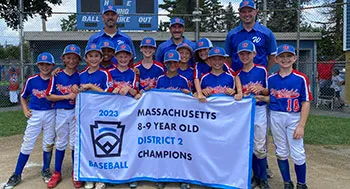 Photo: Westfield Little League, via www.westfieldlittleleague.com
Nobody considered this traumatic. The kids who didn't win weren't devastated or permanently scarred. They were disappointed, sure, but they understood that losing was part of playing. More importantly, they learned something that modern children rarely experience: that effort doesn't always equal reward, that some people are better at some things, and that failure is information, not identity.
This wasn't cruelty — it was preparation for a world that doesn't give out participation awards for showing up to work or trying hard at your marriage.
The Philosophy of Earned Recognition
Youth sports in the pre-participation trophy era operated on a simple principle: recognition had to be earned through achievement. This didn't mean that only the most talented kids mattered, but it did mean that improvement, dedication, and success were celebrated differently than mere attendance.
Coaches focused on teaching skills, strategy, and sportsmanship. They praised effort and improvement, but they didn't pretend that all efforts yielded equal results. A kid who struck out every at-bat but kept trying got encouragement, not a trophy. The message was clear: we value your effort, and we want you to keep improving, but rewards come from achievement.
Parents understood this too. They might console a disappointed child after a loss, but they didn't demand that the league create artificial recognition to spare their feelings. Losing was seen as a natural part of competition — and competition was seen as a natural part of growing up.
The Great Shift: When Everyone Became Special
The participation trophy movement emerged from good intentions. Child psychologists in the 1980s and 1990s argued that traditional youth sports were too focused on winning and might damage children's self-esteem. They advocated for approaches that emphasized fun, inclusion, and positive reinforcement for all participants.
Youth leagues began adopting policies designed to protect children from the "trauma" of losing. Scoreboards were turned off or removed entirely. Standings were no longer published. Championships were replaced with "celebration days" where every child received identical recognition.
The philosophy shifted from "let's help kids handle disappointment" to "let's prevent kids from experiencing disappointment." What seemed like a small change in approach represented a fundamental reimagining of childhood development and the role of competition in growing up.
When Every Kid Gets a Trophy, No Kid Gets a Trophy
The unintended consequences became apparent quickly. When everyone receives the same recognition regardless of effort or achievement, recognition loses its meaning entirely. Kids aren't stupid — they can tell the difference between earning something and being given something to make them feel better.
Many children began viewing participation trophies with skepticism or even resentment. They knew they hadn't won anything, and the trophy felt like a consolation prize rather than genuine recognition. Meanwhile, kids who had actually excelled found their achievements diluted by the same recognition being given to everyone.
The system that was designed to boost self-esteem often had the opposite effect. Children learned that their efforts didn't really matter because everyone got the same outcome regardless. The connection between work and reward — one of the most important lessons youth sports can teach — was severed.
What Losing Actually Taught
The generation that grew up without participation trophies learned valuable lessons that are harder to teach in today's everyone-wins environment. They learned that disappointment is temporary but survivable. They learned to congratulate winners even when they weren't among them. They learned that setbacks are information about what needs improvement, not judgments about their worth as people.
Most importantly, they learned resilience — the ability to bounce back from disappointment and try again. This resilience served them well beyond sports. In school, careers, and relationships, they were better equipped to handle rejection, criticism, and failure because they'd experienced these things in low-stakes environments as children.
The research backs this up. Studies of adults who played youth sports in the pre-participation trophy era show higher levels of resilience, better ability to handle workplace criticism, and more realistic self-assessment of their abilities compared to those who grew up in everyone-wins leagues.
The Real Cost of Artificial Success
Participation trophies were supposed to encourage kids to keep playing sports, but youth sports participation has actually declined during the trophy-for-everyone era. Kids are quitting organized sports in record numbers, often citing boredom and lack of meaningful challenge.
When achievement becomes meaningless, many children lose interest in achieving. Why work harder if everyone gets the same recognition? Why push through difficult practice sessions if effort and laziness are rewarded equally?
The most competitive and driven kids often leave organized youth sports entirely, seeking challenge in individual pursuits or elite club teams where merit still matters. This creates a two-tier system: watered-down recreational leagues where everyone gets trophies, and hyper-competitive select teams where the stakes are often unhealthily high.
The Helicopter Parent Connection
The participation trophy movement coincided with the rise of helicopter parenting — the tendency to hover over children and prevent them from experiencing any difficulty or disappointment. These trends reinforced each other, creating a generation of children who were protected from failure at every turn.
Parents who demanded participation trophies often extended this philosophy to other areas of life. They complained to teachers about bad grades, negotiated with coaches for more playing time, and generally sent the message that their children should never have to face consequences or disappointment.
This protection had real costs. College counselors report that students arrive on campus less equipped to handle academic challenges, social rejection, and the general difficulties of independent life. Many struggle with anxiety and depression when they encounter their first real failures as young adults.
What the Research Really Says
Despite claims that participation trophies protect children's mental health, research suggests the opposite. Children who experience age-appropriate challenges and occasional failure develop better coping mechanisms and more realistic self-confidence than those who are constantly shielded from disappointment.
Studies of youth sports programs that returned to merit-based recognition show improved effort, better sportsmanship, and higher long-term participation rates. Kids work harder when their effort might actually lead to different outcomes.
Most tellingly, when researchers ask children themselves about participation trophies, the responses are overwhelmingly negative. Kids prefer earning recognition through achievement, even if it means sometimes going home empty-handed.
The Path Forward
Some youth leagues are quietly moving away from participation trophies, recognizing that the experiment didn't achieve its intended goals. They're finding ways to honor effort and improvement without pretending that all outcomes are equal.
The goal isn't to return to the days when only championship teams got any recognition. It's to find a middle ground where children learn that effort matters, improvement is celebrated, and achievement is meaningful — even if it doesn't come to everyone at the same time.
The generation that grew up without participation trophies wasn't tougher or more resilient by nature. They simply learned early that the world doesn't owe them recognition for trying, and that understanding served them well throughout their lives. Perhaps it's time to let children learn that lesson again.