The Doctor Who Charged Five Bucks and Actually Knew Your Family: When Healthcare Was Personal
When Medicine Was a Neighborhood Business
In 1955, a routine doctor visit cost about $3. That's roughly $35 in today's money — less than most people spend on takeout dinner. The family physician knew your parents, delivered your children, and often accepted payment in the form of fresh vegetables or a promise to "settle up next month."
Compare that to today's healthcare maze of co-pays, deductibles, and prior authorizations, where a simple check-up can trigger a $400 bill even with insurance. The transformation of American medicine from a personal service to a corporate industry represents one of the most dramatic shifts in how we live and spend money.
The House Call Economy
Dr. William Peterson made house calls throughout rural Minnesota from 1948 to 1978. His black medical bag contained everything needed to treat pneumonia, set bones, or deliver babies in the family kitchen. He charged $5 for a house call — about $50 today — and often stayed for dinner.
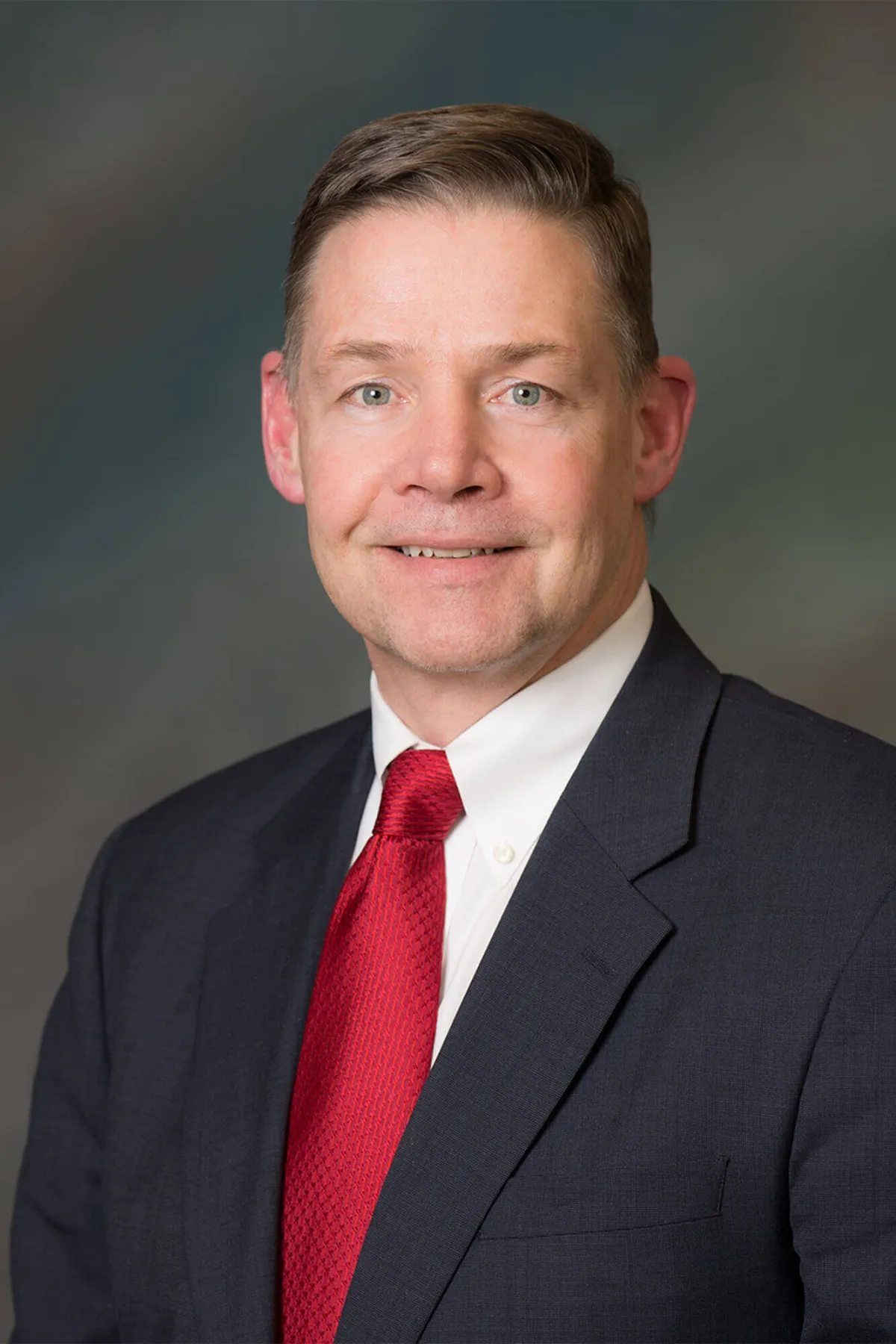 Photo: Dr. William Peterson, via www.uofmhealthsparrow.org
"I knew every family for three generations," Peterson recalled in a 1990 interview. "When I walked into a house, I already knew the medical history, the family dynamics, and what they could afford to pay."
Today's emergency room visit for the same conditions Peterson treated at kitchen tables averages $1,400. The personal relationship has been replaced by electronic health records, insurance verification systems, and billing departments that employ more people than some entire 1950s hospitals.
Cash, Check, or Vegetables
The pre-insurance era of medicine operated on remarkably simple economics. Doctors posted their fees on office walls: $3 for an office visit, $5 for a house call, $25 for delivering a baby. Payment was expected at the time of service, but flexible arrangements were common.
Dr. Sarah Mitchell, who practiced in small-town Iowa from 1952 to 1982, kept a ledger book with payment notes like "Will pay after harvest" or "Traded for winter firewood." Her annual income of $8,000 in 1960 (about $80,000 today) was solid middle-class money that afforded a comfortable lifestyle.
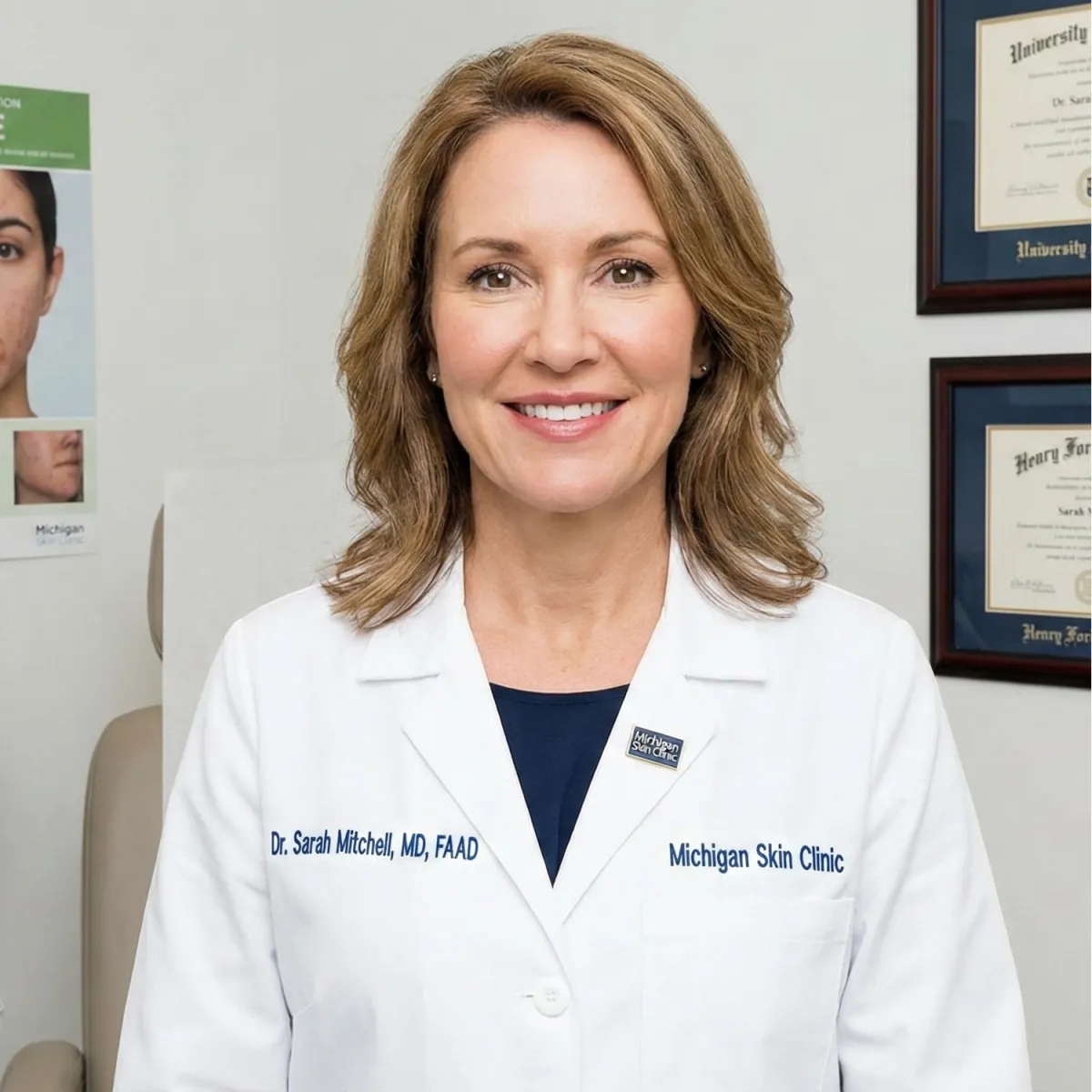 Photo: Dr. Sarah Mitchell, via miskinclinic.com
Modern physicians average $350,000 annually, but they also carry $200,000 in student debt and pay $50,000 yearly for malpractice insurance — costs that barely existed in the handshake era.
The Trust Factor
Mid-century medicine operated on a foundation of personal trust that seems almost quaint today. Patients didn't question prescriptions or demand second opinions. Doctors made decisions based on experience and intuition rather than defensive protocols designed to prevent lawsuits.
This trust cut both ways. While patients received personalized care from physicians who genuinely knew them, they also missed out on modern safety protocols, specialist consultations, and evidence-based treatments that save lives today.
Dr. Peterson never ordered an MRI because they didn't exist. He diagnosed heart attacks with a stethoscope and treated diabetes with insulin doses adjusted by trial and error. Some of his patients died from conditions that today's medicine routinely cures.
When Insurance Changed Everything
The rise of employer-sponsored health insurance in the 1960s fundamentally altered the doctor-patient relationship. Suddenly, a third party stood between physician and patient, determining what treatments were "covered" and which required "prior authorization."
The simplicity of cash payment gave way to complex billing codes, claim forms, and reimbursement delays. Doctors hired office staff to navigate insurance bureaucracy. The personal relationship that defined medicine for generations became a business transaction mediated by corporate policies.
The Hidden Costs of Progress
Today's medicine can perform miracles that 1950s physicians couldn't imagine. Cancer survival rates have doubled. Heart disease deaths have plummeted. Surgical techniques save lives that would have been lost decades ago.
But this progress came with a price beyond dollars. The family doctor who knew your grandmother's arthritis remedies and your father's work stress has been replaced by specialists who excel in narrow fields but struggle to see the whole person.
Modern patients navigate a healthcare system that's technologically advanced but emotionally distant. The house call has been replaced by the patient portal. The kitchen table consultation has become the sterile examination room encounter that's scheduled in 15-minute increments.
What We Lost in Translation
The old system wasn't perfect. Rural areas went without specialists. Serious conditions went undiagnosed. Medical errors happened without the safety nets of modern protocols.
But something valuable was lost when medicine became an industry. The trust between doctor and patient, the simplicity of direct payment, and the understanding that healthcare was fundamentally about human relationships rather than billing optimization.
Today's patients often receive better medical care than their grandparents, but they pay more for it — financially and emotionally. The question isn't whether we can return to $3 house calls, but whether we can rebuild the human connections that once made medicine feel like healing rather than just another expensive transaction.