Before Dialing 911 Meant Anything: When Getting Sick Was a Community Affair
When the Nearest Hospital Was Three Towns Over
In 1970, if your child spiked a fever at midnight in small-town America, you didn't reach for your phone. You reached for the thermometer, checked the medicine cabinet, and maybe knocked on Mrs. Henderson's door next door — she'd raised six kids and knew when to worry.
 Photo: Mrs. Henderson, via image.tmdb.org
The modern emergency room, with its 24-hour staffing and instant access, didn't exist for most Americans until the 1980s. Before then, medical emergencies were handled by a patchwork system of family doctors, community knowledge, and pure luck.
The Doctor Who Knew Your Kitchen Table
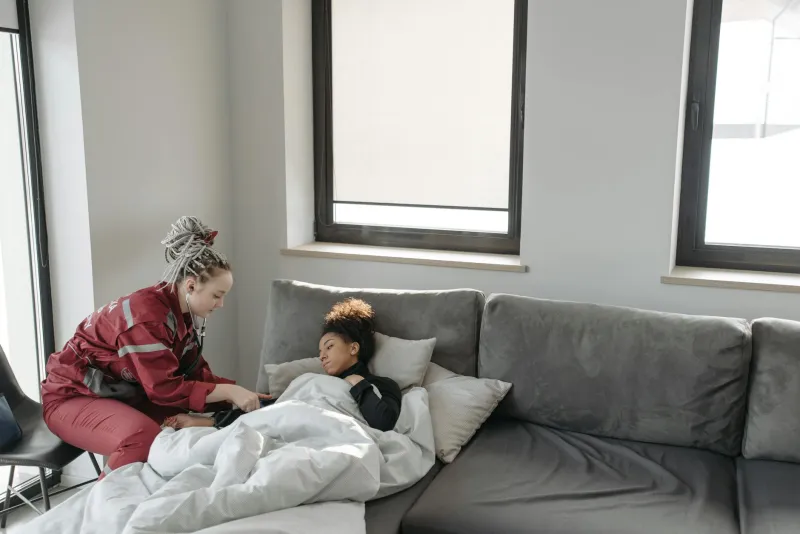
Dr. Williams kept his black bag in the trunk and made house calls until 2 AM if needed. He charged $15 for a home visit — about $100 in today's money — and often accepted payment in the form of fresh eggs or help fixing his fence. Most importantly, he knew every family in his territory of roughly 2,000 people.
When someone got seriously hurt, Dr. Williams would stabilize them at home and decide whether the 45-minute drive to the county hospital was worth the risk. Many times, it wasn't. Broken bones were set in kitchen tables. Stitches were sewn by lamplight. Pneumonia was treated with bed rest and prayer.
Today's emergency room visit averages $1,389 — nearly ten times what Dr. Williams charged for a house call, adjusted for inflation. But you're guaranteed to see someone within hours, not days.
When Your Neighbor Was Your Paramedic
Before ambulance services became standard in the 1970s, emergency transportation was handled by whoever had the biggest car and the steadiest nerves. Fire departments ran basic first aid, but most small towns relied on volunteers who learned CPR at the local Red Cross.
 Photo: Red Cross, via redcrosskarnataka.org
The volunteer fire chief might double as the town's unofficial EMT. The high school football coach usually knew how to splint a broken arm. The pharmacist could tell you whether that rash was serious enough to warrant the expense of seeing a doctor.
This system worked because everyone stayed put. Neighbors knew each other's medical histories, allergies, and family patterns. Mrs. Chen always got bronchitis in February. The Miller boy was allergic to bee stings. Old Pete's heart acted up when the weather changed.
The Real Cost of Going to the Hospital
A hospital stay in 1960 cost about $32 per day — roughly $300 in today's money. But that was still more than many families made in a week. Hospital insurance was rare and usually only covered major procedures. Most people paid cash or worked out payment plans directly with the hospital.
The financial barrier meant hospitals were truly places of last resort. Families would try everything else first: home remedies passed down through generations, advice from the local pharmacist, and consultation with anyone in town who'd seen similar symptoms before.
Today, the average emergency room visit costs more than most Americans made in an entire month back then. But we've gained something invaluable: the confidence that help is always available.
What We Lost When Medicine Became Professional
The old system wasn't romantic — it was often dangerous and unfair. Rural areas and poor communities had limited access to care. Women's health concerns were frequently dismissed. Serious conditions went undiagnosed for years.
But there was something profound about a medical system where your doctor knew your family history because he'd delivered your babies and treated your parents. Where the cost of care was negotiated face-to-face with someone who lived in your community. Where healing happened in familiar surroundings, surrounded by people who cared about your recovery.
The Night Everything Changed
The transformation happened gradually, then all at once. Medicare and Medicaid in 1965 suddenly made hospital care affordable for millions. The Emergency Medical Services Act of 1973 created the 911 system and mandated ambulance services. By 1980, most Americans lived within 30 minutes of a modern emergency room.
We gained access to life-saving technology and round-the-clock care. We lost the personal relationships and community knowledge that once made medical care feel human-scaled.
When Healing Was Local
Your grandfather's generation didn't have CAT scans or helicopter ambulances. But they had something we've largely lost: medical care that was embedded in community life, where the people treating you knew your story and had a stake in your recovery.
The emergency room saved countless lives and democratized access to care. But it also turned medical emergencies from community events into isolated, expensive encounters with strangers. We're still figuring out what that trade-off really cost us.