The 40-Hour Week Actually Ended at 5 PM: When Work Stayed at the Office and Retirement Meant Freedom
When the Office Had Actual Hours
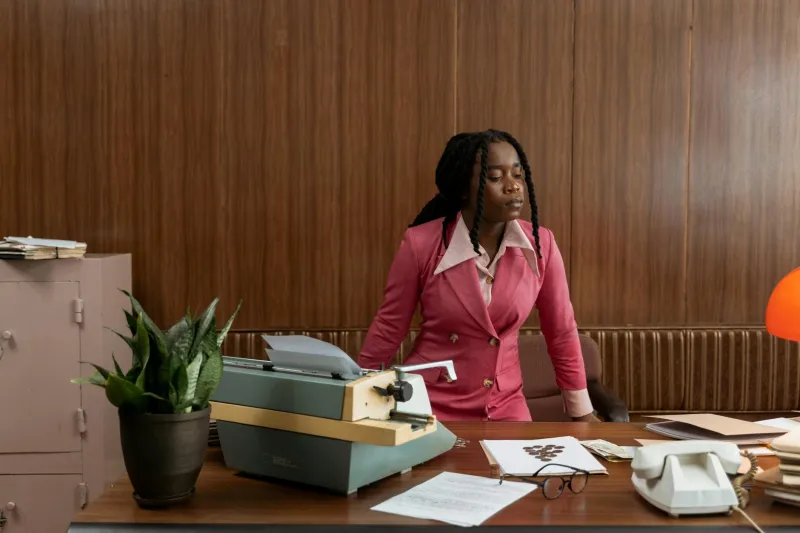
At exactly 5 PM, the typing stopped. Desk drawers slammed shut. Lights went off floor by floor. By 5:15, the office building was empty except for the security guard making his rounds. Work was a place you went to, not something that followed you home.
This wasn't ancient history — it was corporate America until the early 1990s. The 40-hour work week meant exactly that: 40 hours, Monday through Friday, 9 AM to 5 PM with an hour for lunch. Overtime was rare and usually meant something had gone seriously wrong.
The Ritual of Leaving Work Behind
Your grandfather's workday ended with physical rituals that seem quaint now: covering the typewriter, filing papers in metal cabinets, and literally turning off the lights. There was no laptop to carry home, no email to check, no urgent messages waiting on a smartphone.
The commute home served as a buffer zone between work life and personal life. By the time he walked through the front door, work was mentally and physically behind him. Dinner happened at 6 PM. Evenings were for family, hobbies, or watching television — not catching up on spreadsheets.
Weekends were sacred. Stores closed on Sundays. Nobody expected you to be available for work calls. The phrase "work-life balance" didn't exist because the boundary was built into the structure of daily life.
When Retirement Was a Promise, Not a Hope
The deal was simple: work for the same company for 30-40 years, and they'd pay you a pension for the rest of your life. No 401(k) contributions, no market risk, no wondering if you'd saved enough. Your employer handled retirement planning — you just showed up and did the job.
Most large corporations offered defined benefit pensions that paid 60-80% of your final salary until you died. Social Security provided additional income. Together, these created retirement security that didn't depend on your investment skills or market timing.
The average retirement age in 1970 was 62. People expected to retire and expected their companies to honor pension commitments for decades. This wasn't naive optimism — it was how the system actually worked for millions of Americans.
The Technology That Changed Everything
The personal computer arrived in offices during the 1980s, but it took a decade for the implications to sink in. Early PCs were tools for specific tasks — word processing, spreadsheets, databases — not portals to constant connectivity.
Email existed in large corporations by the late 1980s, but it was internal communication that stayed at the office. The idea of checking work email from home was technically impossible for most people and culturally unthinkable for everyone else.
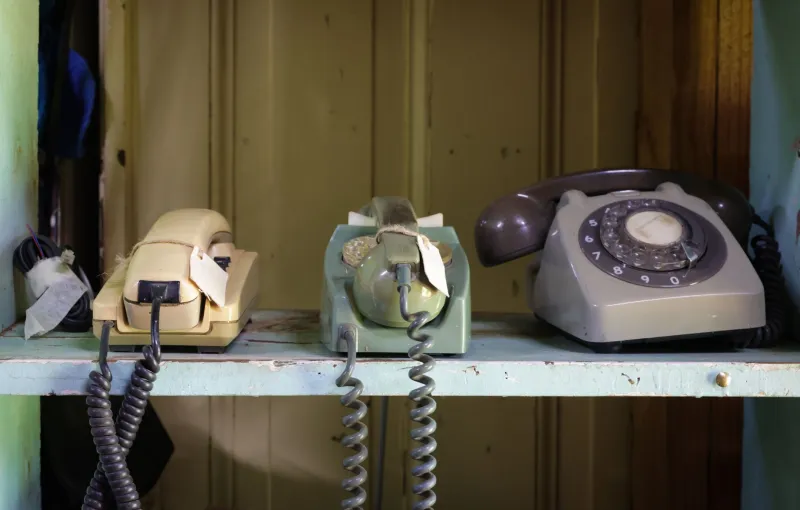
Cell phones were briefcase-sized devices for executives and emergency workers. The average office worker was completely unreachable after 5 PM, and that's exactly how everyone expected it to be.
When Lunch Was Actually a Break
The three-martini lunch wasn't just a cliché — it reflected a business culture that moved at human pace. Deals were made over extended meals. Relationships were built through face-to-face conversation. Nobody was rushing back to check messages or attend video calls.
Office culture included rituals that seem impossible now: birthday cakes in conference rooms, retirement parties that lasted all afternoon, and Christmas parties where people actually relaxed because they knew work would wait until Monday.
Most offices had coffee percolators and designated break times. People gathered around water coolers for actual conversations, not quick hydration between meetings. The pace of work allowed for human interaction that wasn't strictly task-focused.
The Death of the Company Man
The transformation began in the 1980s with corporate restructuring and accelerated through the 1990s with technology adoption. Companies discovered they could eliminate middle management, outsource functions, and expect remaining employees to do more with less.
Pensions were replaced with 401(k) plans that shifted investment risk to employees. Job security disappeared as companies prioritized quarterly earnings over long-term employment. The average worker now changes jobs 12 times during their career — your grandfather probably changed jobs twice.
Laptops and smartphones completed the transformation by making work portable. The office became wherever you were, and work hours became whenever you were awake.
What We Gained and Lost
Modern work offers flexibility that previous generations couldn't imagine. Remote work, flexible schedules, and portable benefits give workers options that didn't exist in the rigid corporate structure of the 1960s.
But we've lost the clear boundaries that protected personal time and the security that came from stable, long-term employment. The average American now works 47 hours per week and checks work email outside office hours. Retirement planning has become a personal responsibility that many people are unprepared to handle.
The Pension That Lasted Forever
Your grandfather's pension check arrived every month like clockwork, adjusted for inflation, guaranteed until he died. His widow continued receiving benefits — often for decades — without worrying about market crashes or withdrawal rates.
Today's retirees manage their own investment portfolios, calculate withdrawal rates, and hope their savings last longer than they do. The security your grandfather took for granted — a guaranteed income in retirement — has become a luxury available mainly to government employees.
When Work Had Limits
The pre-digital office wasn't perfect. It was often hierarchical, exclusionary, and slow to change. But it operated on human rhythms and recognized that people needed time away from work to be healthy, creative, and productive.
We've gained incredible tools and unprecedented flexibility. But somewhere between the typewriter and the smartphone, we lost the simple idea that work should have limits, retirement should be secure, and Sunday dinner shouldn't be interrupted by urgent emails that could wait until Monday.