When High School Was Enough: The Diploma That Used to Unlock the American Dream

The Credential That Actually Mattered
In 1965, my neighbor's dad graduated from Steinmetz High School on Chicago's northwest side on a Friday and started work at Western Electric on Monday. No resume, no LinkedIn profile, no unpaid internships. Just a handshake with the foreman and a starting salary that would buy him a three-bedroom house in the suburbs within two years.
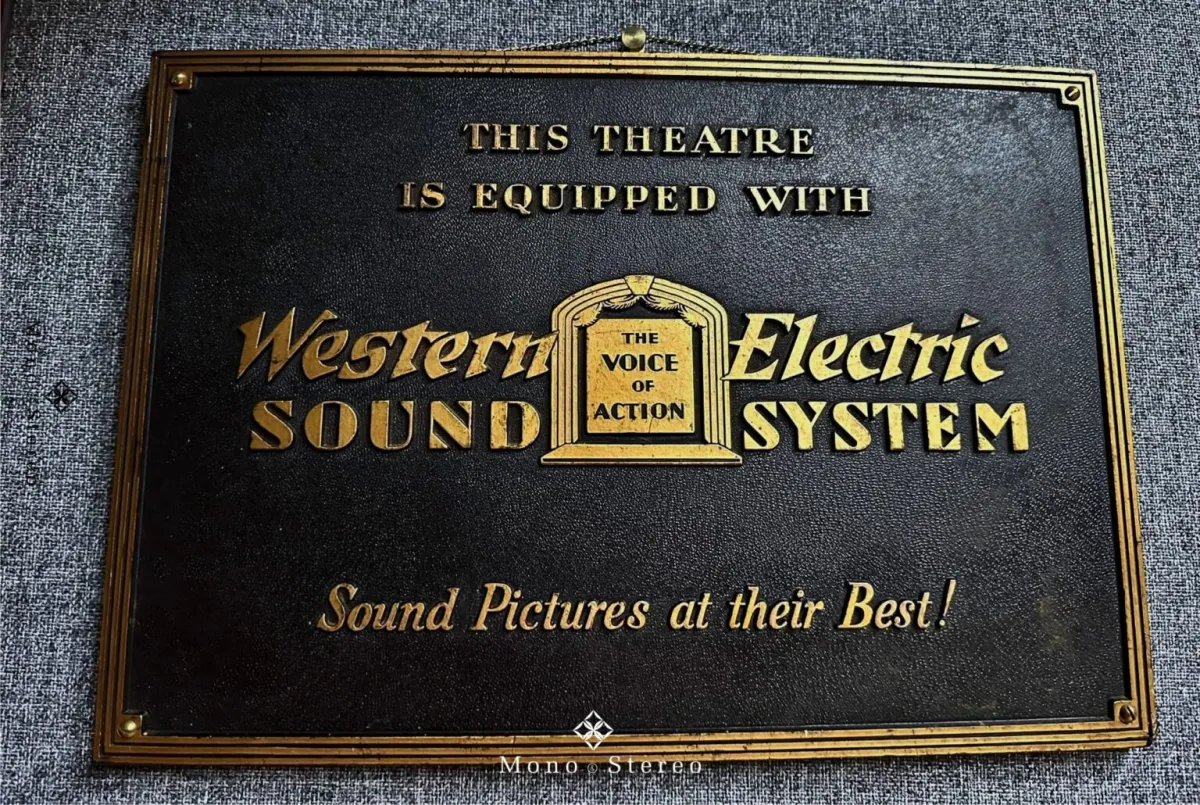 Photo: Western Electric, via www.monoandstereo.com
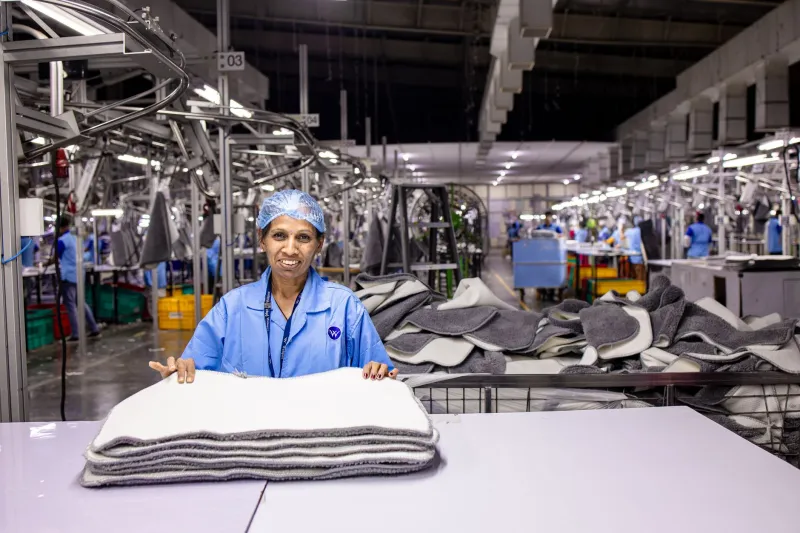
 Photo: Steinmetz High School, via floorecki.com
That high school diploma wasn't just a piece of paper — it was a passport to the middle class. And for millions of American families, it was enough.
Today, that same Western Electric job (if it still existed) would require a bachelor's degree, two years of experience, and proficiency in software that didn't exist when the company was hiring high school graduates to do identical work. The salary, adjusted for inflation, would be about 30% lower. The house? Forget about it.
When Eighteen Was Old Enough
The post-war economy was built on a simple premise: finish high school, get a job, build a life. It wasn't just manufacturing, either. Banks hired high school graduates as tellers and loan officers. The post office, telephone companies, and local governments filled their ranks with kids fresh out of twelfth grade. Insurance companies, department stores, and even early computer companies like IBM recruited directly from high school graduation ceremonies.
These weren't dead-end jobs. They were careers with pension plans, health insurance, and clear advancement paths. A high school graduate could start in the mailroom and end up in the executive suite — not because the work was simple, but because companies invested in training their people instead of expecting them to arrive fully formed.
The numbers tell the story: In 1970, a typical high school graduate earned about $4,500 per year. The median home price was $17,000. That meant a high school diploma holder could buy a house for less than four times their annual salary. Today, the median home costs more than seven times what a typical college graduate earns.
The Great Credential Inflation
Somewhere between the 1970s and today, America convinced itself that every job needed a college degree. It happened gradually, then suddenly. Positions that had been filled by high school graduates for decades started requiring "some college." Then "college preferred." Then "bachelor's degree required."
The work didn't change. The skills didn't become more complex. But the requirements kept climbing, creating what economists call "credential inflation" — the steady increase in education requirements for jobs that don't actually need additional education.
A 2017 Harvard Business School study found that millions of jobs now require college degrees even though most people currently doing that work successfully never went to college. Administrative assistants, sales representatives, and even some supervisory roles that were once entry-level positions for high school graduates now demand four-year degrees.
The College-for-Everyone Trap
The shift wasn't malicious. It was sold as progress, opportunity, and the democratization of higher education. "Every child should have the chance to go to college," became the rallying cry of politicians, educators, and well-meaning parents who remembered when college was reserved for the wealthy.
But making college accessible to everyone had an unintended consequence: it made college necessary for everything. When half the workforce has degrees, employers use them as sorting mechanisms. Why interview 100 candidates when you can eliminate 50 by requiring a bachelor's degree?
The result is a generation trapped in an expensive arms race. Students borrow tens of thousands of dollars to qualify for jobs their parents got with high school diplomas. They graduate later, start careers later, buy houses later, and have children later — if at all.
What We Lost in Translation
The old system wasn't perfect. It excluded too many people, particularly women and minorities who faced discrimination regardless of their qualifications. But it did something our current system struggles with: it provided a clear, achievable path from adolescence to financial independence.
High school graduation was a real milestone because it led to real opportunities. Students knew that showing up, doing the work, and earning their diploma would unlock stable employment. That knowledge gave the whole enterprise meaning and urgency that's harder to find when high school is just the first step in an endless educational journey.
The Hidden Costs of Higher Expectations
Today's college-for-everyone economy has created winners and losers in ways that aren't always obvious. The winners are obvious: professionals with degrees that lead to high-paying careers. But the losers include not just students who rack up debt for degrees that don't pay off, but entire communities that lost their economic foundation when "good jobs" stopped hiring locally.
Small towns across America were built around factories, offices, and businesses that hired high school graduates and paid middle-class wages. When those employers moved operations overseas or started requiring college degrees, they didn't just eliminate jobs — they eliminated the entire economic ecosystem that supported local schools, businesses, and civic life.
The Diploma That Time Forgot
We can't turn back the clock to 1965, nor should we want to. The modern economy is more complex, more global, and more competitive than the one that made high school diplomas valuable. But we might want to ask whether we've overcorrected — whether we've created artificial barriers that serve no one except the institutions that profit from credential inflation.
The high school diploma that once unlocked the American dream isn't coming back. But maybe it's time to ask whether the college degree that replaced it is delivering on the same promise, or whether we've simply made the journey longer, more expensive, and less certain while calling it progress.
After all, the goal was never to get everyone to college. The goal was to give everyone a shot at a decent life. Sometimes the longer path isn't the better one — it's just longer.