Every Town Had Its Own Picture Palace: How America Lost the Magic of Neighborhood Movies
When Movies Came with a Side of Local History
The Roxy Theater in small-town Indiana still has the original velvet curtains from 1947, faded red fabric that's witnessed more first dates than a high school hallway. The projectionist, now 78, has been threading film through the same equipment for four decades. On Friday nights, three generations of the same families still claim their usual seats.
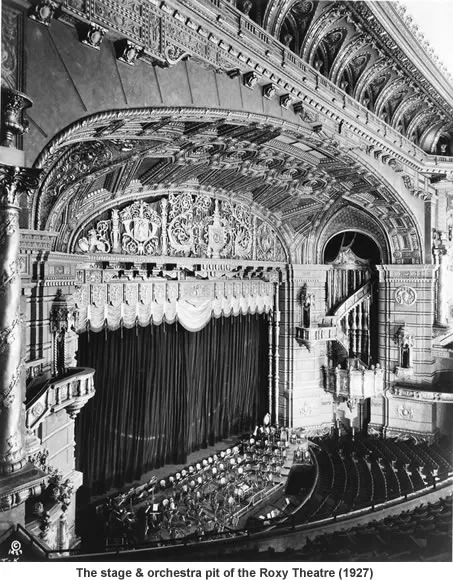 Photo: Roxy Theater, via www.nycago.org
This is what America lost when movies became a corporate commodity.
Before the multiplex revolution of the 1980s, nearly every town with more than 5,000 people had its own movie theater. These weren't cookie-cutter entertainment complexes — they were distinctive venues with names like the Paramount, the Majestic, or the Palace, each reflecting the dreams and personality of the community that built them.
The Theater Owner Knew Your Order
Walk into a modern multiplex and you'll encounter a minimum-wage teenager behind a counter that sells the same Milk Duds and overpriced popcorn as 3,000 other identical locations. But the neighborhood theater experience was radically different.
Theater owners lived in town, often in apartments above the lobby. They knew which customers preferred aisle seats, whose kids needed booster cushions, and which elderly couples required help navigating the steep stairs to the balcony. The concession stand featured local favorites alongside Hollywood standards — hand-dipped ice cream from the dairy down the street, penny candy from the five-and-dime.
"My grandfather ran the State Theater for 40 years," recalls Susan Martinez, whose family operated venues in three small Texas towns. "He knew everyone's birthday, everyone's anniversary. People didn't just come for the movies — they came because it was their place."
This intimacy created a viewing experience that modern cinema can't replicate. Audience members weren't anonymous consumers but neighbors sharing a communal experience. Applause, gasps, and commentary flowed naturally because everyone knew everyone.
Architecture That Told Stories
Independent theaters were built to impress, featuring architectural details that reflected local pride and regional character. The Fox Theater in Detroit showcased Middle Eastern motifs. Small-town venues in New England displayed colonial revival elements. Art deco facades announced a community's commitment to modernity and culture.
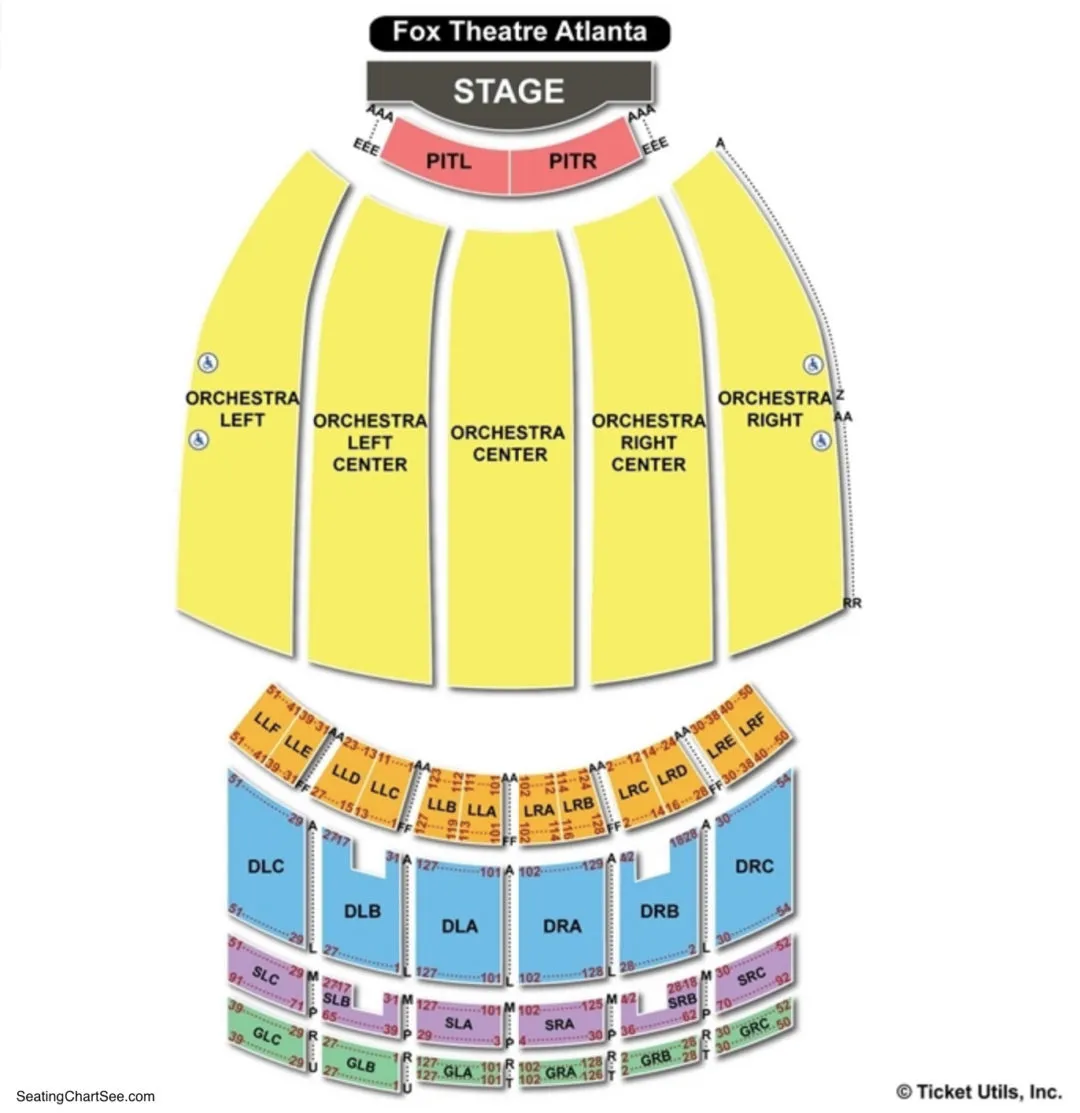 Photo: Fox Theater, via www.theaterseatingchart.com
These buildings weren't just entertainment venues — they were civic monuments. Towns competed to build the most impressive theater, understanding that a beautiful movie house signaled prosperity and sophistication to visitors and residents alike.
Compare that to today's multiplex architecture: windowless concrete boxes in strip mall parking lots, designed for maximum efficiency and minimum character. The message is clear — movies are products to be consumed, not experiences to be treasured.
Programming That Reflected Community Values
Independent theater owners curated their programming like museum directors, balancing Hollywood blockbusters with films that spoke to local interests. A theater in farm country might extend the run of a agricultural drama. Urban venues could take chances on foreign films or documentaries.
This programming flexibility created genuine cultural diversity across the American landscape. The same movie might play simultaneously in New York and Nebraska, but each community also enjoyed unique viewing experiences that reflected local tastes and values.
Multiplex chains eliminated this diversity in favor of uniform programming determined by corporate algorithms. Every theater now shows the same movies at the same times, creating a homogenized entertainment landscape that treats Topeka and Tampa as identical markets.
The Economics of Community Connection
The old theater model worked because it was designed for sustainability rather than maximum profit. Independent owners charged reasonable prices because their neighbors were their customers. They reinvested profits locally because the theater's success depended on community prosperity.
Ticket prices reflected local economic conditions rather than corporate profit targets. A factory town might charge 50 cents while a wealthier suburb commanded 75 cents for the same film. This pricing flexibility made movies accessible to working families who couldn't afford today's $15 tickets.
Modern multiplex economics operate differently. Corporate chains extract maximum revenue from each market, then send profits to distant headquarters. Local economic conditions matter less than national profit margins.
When Streaming Finished the Job
The multiplex revolution wounded independent theaters, but streaming services delivered the fatal blow. Why drive to a corporate cinema when Netflix offers unlimited entertainment at home?
Yet something crucial was lost in this transition. The neighborhood theater forced people to leave their houses, encounter their neighbors, and share emotional experiences with strangers. These seemingly small interactions built the social fabric that held communities together.
"Movies used to be social events," observes cultural historian Dr. James Peterson. "Families planned their weekends around new releases. Teenagers met at the Saturday matinee. Dating couples shared their first kisses in the back row. The theater was where community life happened."
Streaming offers convenience and choice but eliminates the serendipity of communal viewing. You can't recreate the magic of watching "Jaws" with 200 terrified strangers or sharing the collective joy of a romantic comedy's happy ending.
The Survivors Tell a Different Story
A few hundred independent theaters still operate across America, mostly in small towns that the multiplex chains ignored. These survivors offer glimpses of what we lost and hints of what we might recover.
The Lark Theater in Larkspur, California, still uses an old-fashioned ticket booth and employs high school students as ushers. The Byrd Theatre in Richmond, Virginia, features a vintage Wurlitzer organ that plays before every show. These venues prove that people still crave authentic, community-centered entertainment experiences.
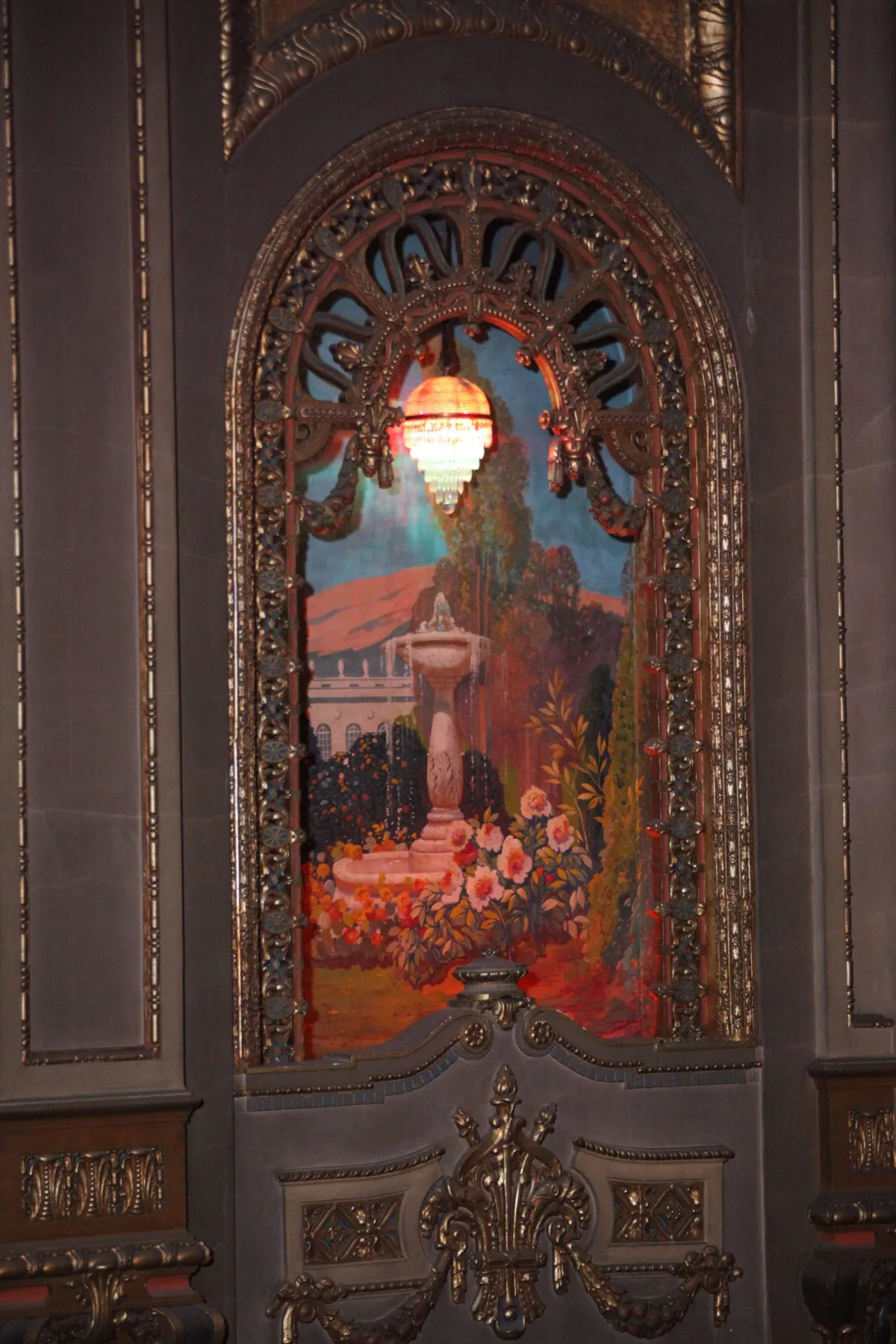 Photo: Byrd Theatre, via byrdtheatre.org
The Real Cost of Efficiency
The multiplex model succeeded because it was more efficient than independent theaters. Corporate chains could negotiate better deals with distributors, standardize operations, and achieve economies of scale that small operators couldn't match.
But efficiency came at a hidden cost. When every theater became identical, movies lost their connection to place and community. Entertainment became a standardized product rather than a shared cultural experience.
The result is a generation of Americans who associate moviegoing with corporate consumption rather than community connection. They've never experienced the magic of a theater that belonged specifically to their town, run by people who lived down the street and cared about more than quarterly profits.
American cinema was built on the idea that every community deserved access to the world's stories, told in venues that reflected local character and values. The neighborhood theater made that vision real for millions of families, creating gathering places that strengthened the social bonds holding communities together.
What we have now is undoubtedly more convenient and offers more viewing options. But it's worth asking whether we traded something irreplaceable for the privilege of watching the same movies in the same sterile environments, wherever we happen to live.