When America Bowled Together: The Death of the Country's Greatest Democracy
The Sport That Built Middle America
Every Tuesday night at 7 PM sharp, the Riverside Manufacturing bowling team gathered at Sunset Lanes. The foreman bowled alongside the newest hire. The company accountant shared nachos with guys from the loading dock. For three hours, the only thing that mattered was whether you could pick up the 7-10 split.
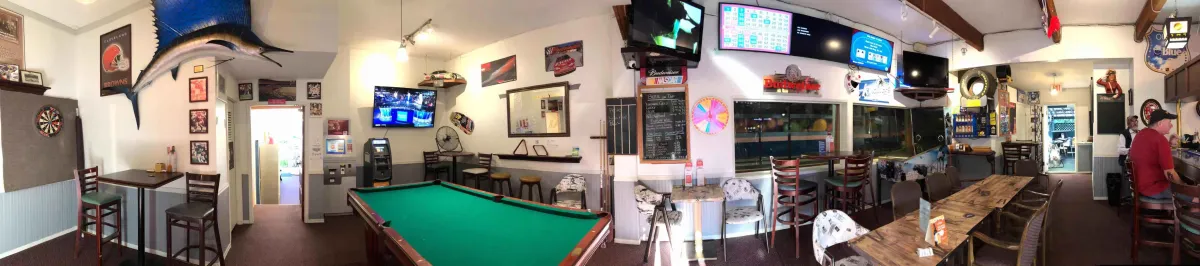 Photo: Sunset Lanes, via www.sunsetlanes.ca
This scene played out in 12,000 bowling centers across America in the mid-1960s, when bowling was the nation's most popular participatory sport. More Americans bowled regularly than played golf, tennis, and basketball combined. It wasn't just recreation — it was democracy in action.
Where Everyone Was Equal Under the Lane Lights
Bowling alleys were America's great equalizer. Unlike country clubs or private gyms, anyone could afford the $2.50 for three games and shoe rental. A factory worker could out-bowl the bank president, and often did. League standings were posted for everyone to see, creating a meritocracy based purely on skill and consistency.
The typical bowling alley in 1960 featured 20-40 lanes, a snack bar serving burgers and beer, and enough tables to seat 200 people. On league nights — which ran Monday through Thursday — the place buzzed with conversation, friendly trash talk, and the satisfying crash of pins.
Leagues weren't casual commitments. Teams bowled together for decades. The Kiwanis Club league at Maple Lanes ran continuously from 1947 to 1993, with some members bowling together for their entire adult lives. These weren't just bowling teams — they were social networks that helped people find jobs, plan weddings, and weather family crises.
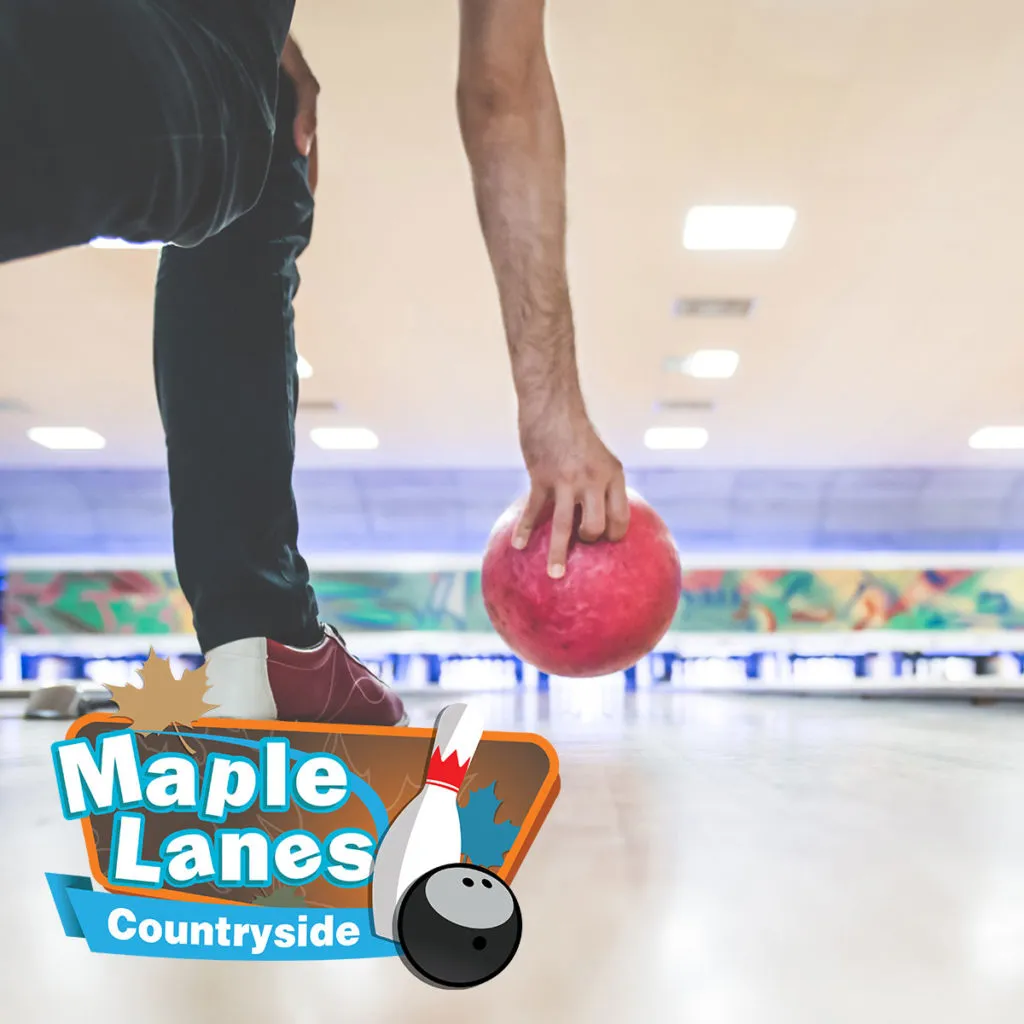 Photo: Maple Lanes, via maplelanes.com
The Numbers That Tell the Story
In 1965, 8.2 million Americans bowled in organized leagues. The average bowling alley hosted 15-20 different leagues per week, from serious competition to church groups and company teams. League bowling generated 70% of most alleys' revenue, creating a sustainable business model that kept prices low and communities strong.
By 2018, league membership had collapsed to 1.3 million — an 84% decline. Today's bowling alleys survive on birthday parties, corporate events, and cosmic bowling nights that bear little resemblance to the social institution that once anchored American neighborhoods.
When Bowling Night Was Sacred
League bowling wasn't just about the sport — it was about ritual and commitment. Teams met at the same time every week for months. They celebrated each other's strikes, commiserated over splits, and kept detailed statistics that everyone took seriously.
The league secretary — always a volunteer — maintained handicaps, scheduled make-up games, and organized the annual banquet where trophies were awarded and next season's teams were formed. These positions carried real social weight in small communities.
Women's leagues were particularly important in an era when many women didn't work outside the home. Thursday morning ladies' leagues gave housewives a social outlet and competitive arena that was entirely their own. Some of these women bowled together for 40 years, watching each other's children grow up and supporting each other through life's ups and downs.
The Decline of Shared Spaces
What killed league bowling wasn't lack of interest — it was the fracturing of American social life. As suburbs sprawled and commutes lengthened, the idea of committing to the same activity at the same time every week became increasingly difficult.
Two-career families couldn't manage Tuesday night obligations that lasted all season. Youth sports exploded, claiming kids' time and parents' evenings. Cable television offered entertainment that didn't require leaving the house or coordinating with other people.
The bowling industry tried to adapt. Alleys added arcade games, glow-in-the-dark bowling, and sports bars. But these changes attracted casual bowlers, not the committed league members who had sustained the business model for decades.
What We Lost When the Leagues Died
Modern bowling alleys are entertainment destinations, not community centers. You reserve a lane online, bowl with your pre-selected group, and leave. There's no interaction with strangers, no commitment beyond the evening, no shared investment in anyone else's performance.
The old bowling alley was one of the few places where Americans regularly interacted across class lines. The insurance salesman and the mechanic were teammates. The retired teacher and the young mother shared a lane. These relationships — built around a shared activity rather than shared demographics — created social bonds that bridged divides.
Democracy in Decline
Sociologist Robert Putnam identified the collapse of league bowling as a symbol of America's declining social capital. When we stopped bowling together, we lost more than a recreational activity — we lost a crucial institution for building trust, cooperation, and civic engagement.
 Photo: Robert Putnam, via s3.amazonaws.com
The bowling alley taught Americans how to be part of something larger than themselves. How to show up consistently for teammates. How to celebrate others' successes and offer support during struggles. How to maintain relationships based on shared commitment rather than convenience.
The Lanes That Remember
A few traditional bowling alleys still exist, mostly in small Midwest towns where league bowling hangs on by tradition and stubbornness. Walking into one feels like entering a museum of American social life — scoreboards with handwritten names, trophy cases from the 1970s, and the faint echo of what we used to be when we gathered regularly to play together.
These remaining alleys are more than businesses — they're reminders of when America had spaces where everyone was welcome, everyone could compete, and everyone belonged to something bigger than themselves. We're still looking for what might replace them.