The Guy at the End of the Bar Knew More About Your Team Than Any Pundit on TV Ever Will
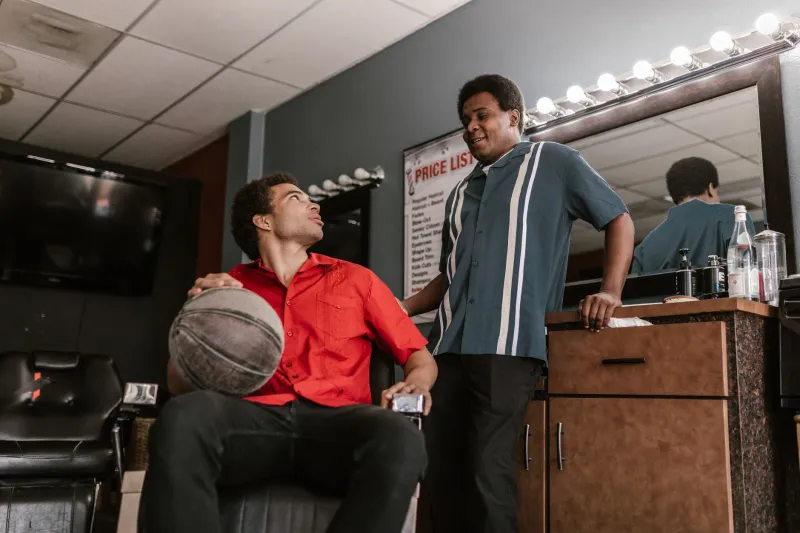
He had a name, and everybody knew it. Maybe it was Sal, maybe it was Denny, maybe it was just Coach — a retired high school baseball man who'd been watching the local nine since before the stadium had lights. He sat at the same stool every Sunday after the game, and if you wanted to understand what had actually happened out there, you pulled up a chair and you listened.
Sal didn't have a television contract. He didn't have a verified Twitter account or a podcast with a seven-figure download number. What he had was forty years of watching the same franchise through bad ownership, good pitching, and everything in between. He remembered the trades that broke the team's heart in 1967. He could tell you exactly why the current manager reminded him of a guy they'd had in the mid-70s who made the same mistake with his bullpen every September.
That kind of knowledge doesn't scale. Which is exactly why it's gone.
The Beat Writer Who Covered One Team Forever
Before ESPN, before sports talk radio blanketed the country, before the algorithm decided what sports content you should consume, local sports coverage was genuinely local. The beat writer at the Cleveland Plain Dealer or the St. Louis Post-Dispatch covered one team, often for decades. He — and it was almost always a he, which is its own complicated history — rode the bus with the players, ate at the same diners, and built relationships with coaches and management that produced a quality of institutional knowledge that no national correspondent parachuting in for the playoffs could match.
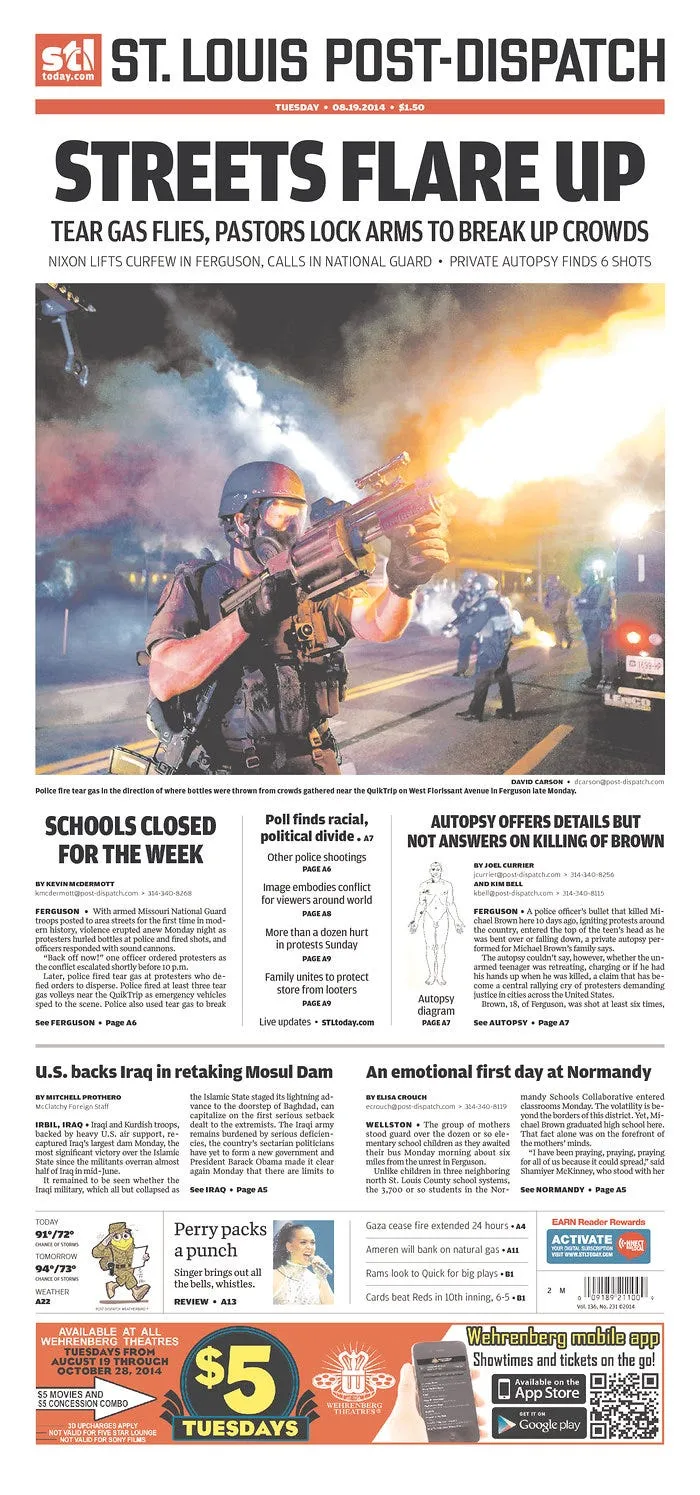 Photo: St. Louis Post-Dispatch, via static1.businessinsider.com
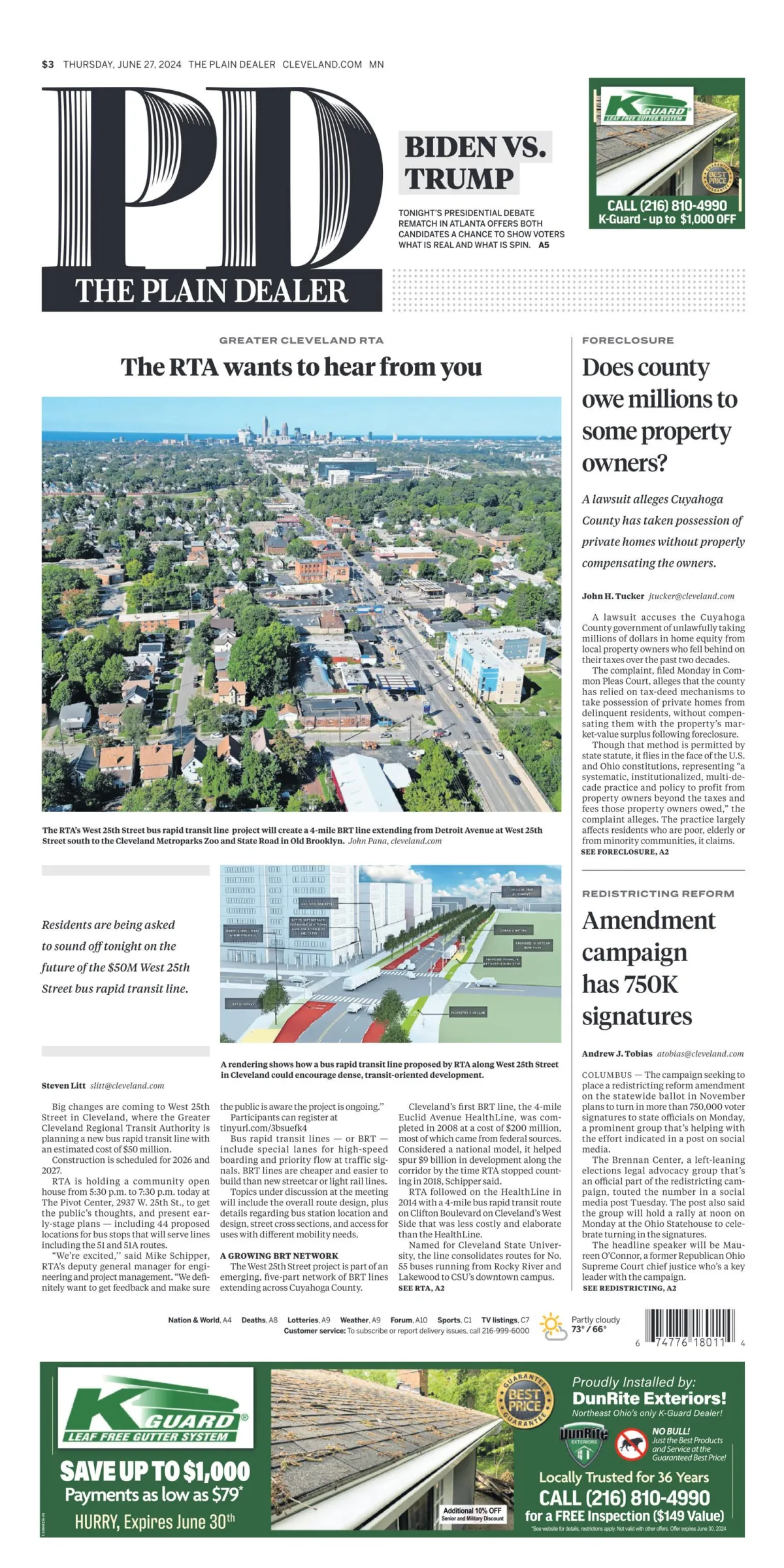 Photo: Cleveland Plain Dealer, via www.cleveland.com
These writers weren't celebrities. They were craftsmen. Their audience was local, their readership loyal, and their accountability immediate — because the people reading their columns on Tuesday morning were the same people who had been in the stands on Sunday afternoon. You couldn't get away with a hot take that contradicted what ten thousand readers had witnessed with their own eyes.
That accountability shaped the journalism. It kept it honest in a particular way. The beat writer's reputation was built in one market, over years, and it could be destroyed in the same market just as slowly. There was no national audience to retreat to when the locals turned on you.
What Sports Radio Did to the Conversation
The arrival of all-sports radio in the late 1980s and early 1990s — WFAN launching in New York in 1987 is usually cited as the starting gun — changed the format of sports discourse before the internet changed its scale. Suddenly, the sports argument was a product. Controversy generated calls. Calls generated ratings. Ratings generated advertising revenue.
The incentive structure was never really about being right. It was about being interesting enough to make someone pick up the phone. And the fastest way to be interesting on sports radio was to be provocative, to take a position harder than the evidence warranted, and to defend it with more confidence than any reasonable person should feel.
The hot take was born from economic necessity, not intellectual conviction. Once that format proved profitable locally, it was only a matter of time before it went national.
ESPN and the Homogenization of Sports Opinion
ESPN's rise through the 1990s and into the 2000s created something genuinely new: a national sports conversation that happened simultaneously, in every market, around the same topics, driven by the same voices. The network's reach meant that its narratives became the narratives — not just in New York and Los Angeles, but in Tulsa, in Boise, in towns where the local team had never been covered by anyone with a national platform before.
This was exciting, for a while. Access to more information, more highlights, more analysis felt like an upgrade. And in many ways it was. A fan in rural Mississippi could follow a team on the other side of the country with a depth that would have been impossible in 1975.
But something got traded away in the exchange. The local voice — the one that knew the specific history of the specific franchise in the specific city — got crowded out by a national voice that was optimized for broad appeal rather than local accuracy. The same debate that was happening in Bristol, Connecticut, was now the debate happening in every sports bar in America, whether it was relevant to the local team or not.
The Algorithm Made It Worse
If ESPN homogenized sports opinion, social media atomized it and then recombined it into something stranger. The viral sports take — the tweet that generates fifty thousand retweets before anyone has had time to think about whether it's true — became its own genre, with its own stars and its own economy.
The people who thrived in this environment weren't necessarily the ones who knew the most. They were the ones who could generate the strongest reaction the fastest. Nuance is a terrible format for engagement metrics. Certainty, outrage, and conflict are excellent ones.
The result is a sports media landscape where the same dozen national voices dominate every conversation, where local expertise is routinely drowned out by national narrative, and where a trade involving a mid-market franchise gets evaluated not on its merits for that specific team and city, but through the lens of how it plays in the broader national sports story.
What Got Lost in the Translation
The guy at the end of the bar — Sal, Denny, Coach — knew things that don't show up in national coverage. He knew that the team's owner had a pattern of cutting payroll in the third year of every rebuild. He knew that the new shortstop reminded the old-timers of a prospect they'd had in 1983 who had the same mechanical flaw in his swing that nobody fixed until it was too late. He knew the stadium's history, the neighborhood's relationship with the franchise, the way the city's mood shifted when the team was playing well.
That knowledge was hyperlocal and irreplaceable. It was built over decades by people who had nowhere else to take it — no national platform, no podcast, no brand to build. They shared it at the bar, at the barbershop, in the bleachers, because sharing it was the point.
The national sports conversation isn't worse because the people in it are less intelligent. It's worse because the format punishes the kind of patient, specific, deeply contextual knowledge that actually helps you understand what's happening with a team over time. Hot takes travel. Institutional memory doesn't.
Sal is still out there, somewhere, sitting at the same stool. But the TV above the bar is tuned to a national network, and the guy next to him is scrolling through takes on his phone. The conversation that used to happen in that room is happening somewhere else now — or maybe it isn't happening at all.