One Doctor, Every Problem: How America Traded Its Family Physician for a Waiting Room Full of Strangers
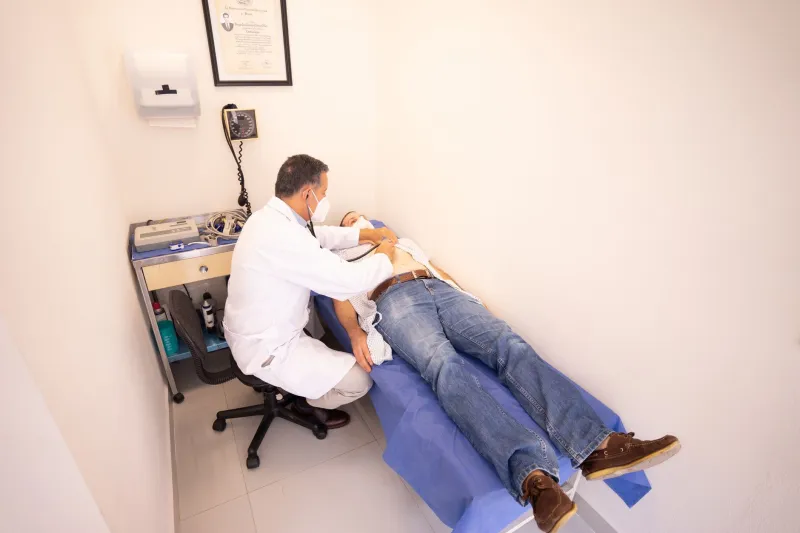
Somewhere in a box in your grandparents' attic, there's probably a name. Dr. Harold Simmons. Dr. Eugene Patton. Dr. Ruth Calloway. A single name that showed up on birth certificates, on prescription pads, on thank-you notes after a difficult delivery, and eventually on the card at the funeral. For millions of Americans across the mid-20th century, that one name was medicine. Not a department. Not a network. One person who knew your whole story.
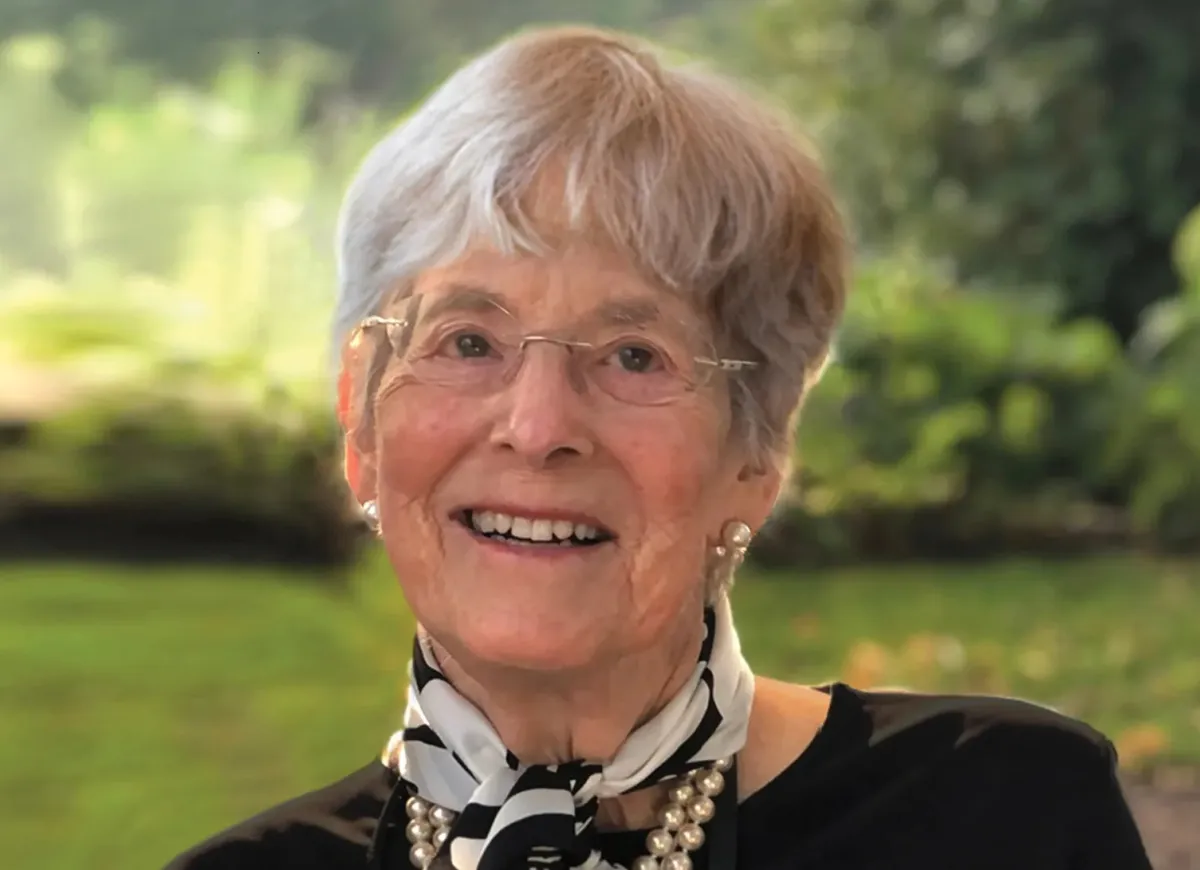 Photo: Dr. Ruth Calloway, via www.marieclaire.gr
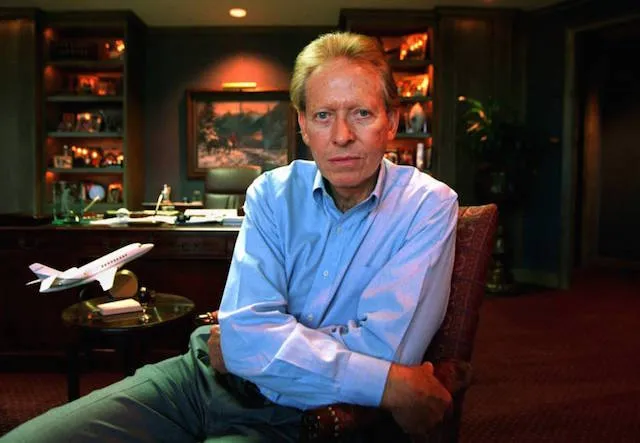 Photo: Dr. Harold Simmons, via worthly.com
That world is almost entirely gone. And most of us didn't notice it disappear.
The Doctor Who Did Everything
Before the era of HMOs, referral systems, and 18-minute appointments, the American general practitioner was something closer to a one-person hospital. In small towns — and even in plenty of urban neighborhoods — a single physician might deliver a baby at 2 a.m., set a broken arm by noon, manage a diabetic patient's insulin in the afternoon, and talk a grieving widow through her grief before dinner. Not because he was a superhero, but because that was simply what being a doctor meant.
These weren't doctors who knew a little about everything and a lot about nothing. Many had trained rigorously — often through military service, rural residencies, or apprenticeships that threw every conceivable situation at them before they ever opened their own practice. What they lacked in narrow subspecialty depth, they more than made up for in comprehensive knowledge of the patient in front of them. They knew your weight at birth, your childhood illnesses, your family's tendency toward heart disease, and the stress you'd been carrying since your father passed.
That kind of knowledge doesn't live in a file. It lives in a relationship.
When Medicine Was a Conversation
The family doctor of the 1940s and 1950s didn't just treat conditions — he tracked lives. A patient with persistent headaches wasn't immediately sent to a neurologist. The doctor already knew that her husband had lost his job, that her sleep had been poor for months, and that her mother had died of a stroke at 62. Context shaped diagnosis in ways that no referral form can fully capture.
House calls were still common well into the postwar years. A doctor who visited your home wasn't just being courteous — he was gathering data. The neighborhood, the kitchen, the smell of the air, the look of the family's stress. These weren't things you learned from a chart. They were things you absorbed by showing up.
And crucially, patients talked to their doctor differently when that doctor had known them for twenty years. They admitted things they'd never say to a stranger in a white coat. They didn't minimize symptoms. They didn't perform wellness. They told the truth, because the doctor had already seen them at their worst and come back anyway.
How Specialization Changed Everything
The shift didn't happen overnight, and it wasn't driven by malice. It was driven by progress — genuinely remarkable, life-saving progress. As medicine advanced through the second half of the 20th century, the sheer volume of knowledge in any single field exploded. Cardiology alone became a discipline so vast that keeping current required complete dedication. The same was true for oncology, orthopedics, nephrology, and dozens of other branches. A single physician simply could not stay fluent in all of them.
Specialization was the rational response. If you needed heart surgery, you wanted the person who had done ten thousand of them, not the general practitioner who had done forty. That logic is hard to argue with, and the outcomes in those specific situations improved dramatically.
But something got lost in the reorganization.
When medicine divided itself into departments, the patient became divided too. Your cardiologist manages your heart. Your endocrinologist manages your diabetes. Your orthopedist manages your knee. Your primary care physician — if you even have a consistent one — is supposed to coordinate all of it, but in a system where a standard appointment runs twelve minutes and doctors carry patient panels in the thousands, true coordination is more aspiration than reality.
The Chart Knows Your Numbers. Nobody Knows You.
Today's medical record is a marvel of data collection. Blood pressure trends, medication histories, lab values going back years — it's all there, accessible across systems, shareable between providers. In pure informational terms, your chart knows more about you than any 1950s doctor could have assembled.
But the chart doesn't know that you've been under crushing financial stress for three years. It doesn't know that you stopped taking your blood pressure medication because the copay went up and you didn't want to say anything. It doesn't know that your father died of a heart attack at 58 and that every chest twinge terrifies you in ways you can't quite explain to a doctor you've met twice.
The general practitioner knew those things. Not because medicine was simpler, but because the relationship was deeper.
What We Gained, What We Traded Away
It would be naive to romanticize the old model without reservation. General practitioners of earlier eras made mistakes that specialists today would catch immediately. Cancers went undetected. Conditions were mismanaged. The intimacy of the relationship sometimes bred overconfidence, and patients in rural areas with only one doctor available had no recourse if that doctor was wrong.
Modern medicine saves lives that would have been lost in 1955. That is not a small thing.
But the fragmentation has costs that are harder to measure in clinical outcomes. Patients who feel unknown by their doctors are less likely to be honest with them, less likely to follow through on treatment plans, less likely to catch problems early because they avoid appointments that feel impersonal and rushed. The relationship was not just a nice feature of old-time medicine. It was a clinical tool.
What the family doctor of the mid-20th century understood — perhaps without even articulating it — was that treating a person is different from treating a condition. The body doesn't come in parts. Neither does the life lived inside it.
Somewhere between the house call and the specialist referral, that insight got a little harder to hold onto.