The Pickup Game That Taught Kids to Argue Fair: When Sports Had No Grown-Ups and Better Rules
The Democracy of the Empty Lot
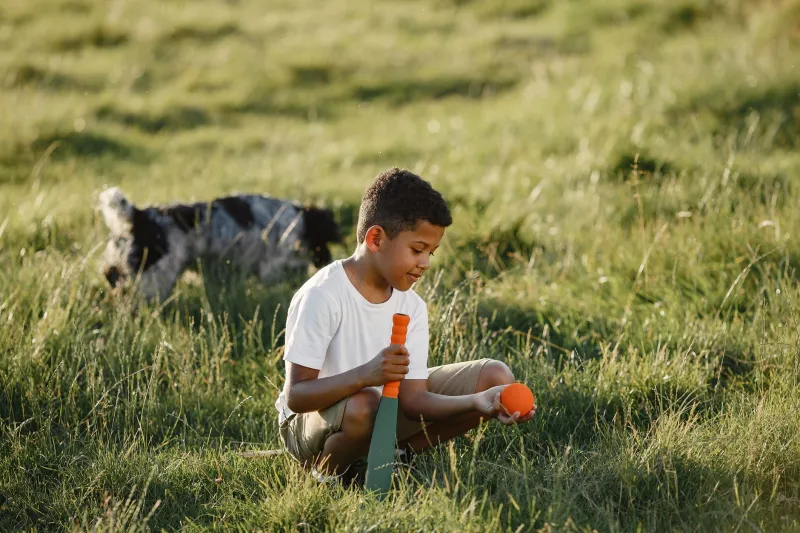
Every summer morning in 1962, twelve kids gathered at the vacant lot behind Maple Street Elementary. By 9 AM, they'd chosen sides, established ground rules, and started a baseball game that would last until dinner. No parents, no coaches, no umpires — just children governing themselves with a sophistication that would impress political scientists.
 Photo: Maple Street Elementary, via images.squarespace-cdn.com
They called it "sandlot ball," and it operated on principles that modern youth sports have completely abandoned. Disputes were settled by vote. Rules were negotiated on the spot. The best players mentored the worst ones because they needed enough bodies to field two teams.
This self-governing world produced athletes who could think on their feet, adapt to changing circumstances, and resolve conflicts without adult intervention — skills that today's heavily supervised young competitors rarely develop.
When Kids Were Their Own Commissioners
The Maple Street gang had evolved an intricate system of fairness that would make Major League Baseball jealous. Team captains alternated picks to ensure competitive balance. Players rotated positions so everyone got to pitch. They adjusted rules mid-game when situations demanded it.
"If someone hit the ball over the fence, it was a double because we only had two baseballs," remembers Mike Chen, now 68, who played in that lot for six summers. "If a little kid was up to bat, we moved the fielders in. If someone was clearly safe but the other team argued, we'd vote. Majority ruled."
 Photo: Mike Chen, via famouspeopletoday.com
This organic rule-making taught children to negotiate, compromise, and accept decisions they didn't like — life skills that structured sports, with their fixed rules and adult authority figures, simply don't provide.
The Mentorship Nobody Planned
Sandlot sports created natural teaching relationships that today's age-segregated leagues have eliminated. Twelve-year-olds showed eight-year-olds how to turn double plays. Teenagers patiently pitched underhand to kids who couldn't hit fastballs.
This wasn't altruism — it was necessity. Games required enough players to function, so the older kids had incentives to develop younger talent. The result was an informal apprenticeship system where skills were transmitted through demonstration and practice rather than formal instruction.
"The high school kids taught me to slide feet-first and how to read a pitcher's tells," Chen recalls. "Not because they were being nice, but because they needed me to be better so the games would be more fun."
Modern travel teams segregate players by age and skill level, eliminating these cross-generational relationships that once defined how American children learned sports.
The Art of the Argument
Sandlot games were laboratories for conflict resolution. Close plays generated heated debates that had to be settled quickly to keep games moving. Children learned to present evidence, listen to opposing viewpoints, and accept group decisions.
"We'd argue for ten minutes about whether someone was safe at second," says Jennifer Rodriguez, who played pickup basketball in 1970s Phoenix. "But then we'd vote, and whoever lost would shut up and keep playing. You couldn't storm off to your parents."
This constant negotiation taught children that rules were flexible, that fairness required consensus, and that games continued only when everyone agreed to participate. Modern youth sports, with their certified officials and non-negotiable rulebooks, provide no such education in democratic decision-making.
When Losing Meant Learning
Sandlot games had no participation trophies, no equal playing time guarantees, and no parental intervention when things went poorly. Children experienced genuine failure and figured out how to respond without adult guidance.
Weaker players either improved or found different roles. Bad attitudes got you excluded from future games. Quitting meant missing out on fun that would continue without you.
"If you couldn't handle striking out, you didn't get picked next time," Rodriguez explains. "So you learned to handle it. You had to, or you'd spend the summer watching TV instead of playing."
This natural selection process produced mentally tough competitors who understood that sports involved both winning and losing, and that emotional resilience was essential for continued participation.
The Innovation Laboratory
Without official rules to constrain them, sandlot players constantly experimented with new strategies and tactics. They invented plays, modified existing games, and created entirely new sports when circumstances demanded it.
The Maple Street gang developed "pickle ball" (different from today's pickleball) when they only had four players. Rodriguez's basketball group created "21 and out" when they had seven players and one hoop. These innovations emerged from necessity but taught children that rules could be changed to serve the players rather than the other way around.
Modern youth sports, with their emphasis on proper fundamentals and official regulations, rarely provide opportunities for this kind of creative problem-solving.
The Pressure That Wasn't There
Sandlot games had no standings, no playoffs, and no college scouts in the bleachers. The only pressure came from wanting to play well enough to get picked again tomorrow. This environment allowed children to experiment, take risks, and develop their own playing styles without fear of disappointing coaches or parents.
"We played because it was fun," Chen says simply. "Nobody was worried about scholarships or making the high school team. We just wanted to see if we could turn a double play or hit the ball over the fence."
This intrinsic motivation produced players who loved the game for its own sake rather than for external rewards. Many sandlot veterans continued playing recreationally well into adulthood because their relationship with sports was based on joy rather than achievement.
The Social Skills Factory
Perhaps most importantly, sandlot sports taught children how to interact with peers without adult mediation. They learned to include new players, exclude disruptive ones, and maintain group cohesion over entire summers.
"You had to get along with everyone, even the kids you didn't like at school," Rodriguez remembers. "Because if you caused drama, people wouldn't want you in their games. So you learned to separate personal stuff from sports."
These social dynamics prepared children for adult workplaces and relationships in ways that parent-supervised activities simply couldn't match.
What We Lost When We Gained Structure
Modern youth sports provide superior coaching, better equipment, and more opportunities for elite development. But they've eliminated the self-governance, peer mentorship, and creative problem-solving that once defined how American children learned to compete.
Today's young athletes are technically more skilled but often struggle with decision-making, conflict resolution, and emotional regulation when adult supervision disappears. They've been taught to follow instructions rather than think independently.
The sandlot era produced athletes who could adapt, innovate, and lead because they'd been doing exactly that since age eight. The structured sports era produces athletes who excel within established systems but struggle when the systems break down.
The empty lots are mostly gone now, filled with houses or converted to official parks with posted rules and operating hours. But the bigger loss isn't the physical spaces — it's the understanding that children are capable of governing themselves, and that the best learning often happens when adults step back and let kids figure things out on their own.