Three Sports, Three Seasons, One Happy Childhood: How America Forgot the Art of Playing Everything
When September Meant Something
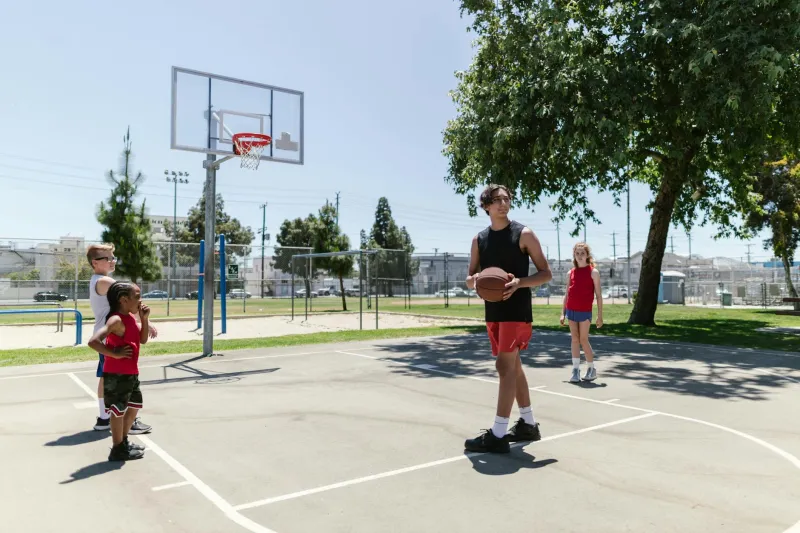
Every August, something magical happened in American backyards. Baseball gloves got tossed into closets, footballs emerged from garage storage, and kids instinctively understood that the seasons were changing. Not because of weather or calendars, but because sports followed nature's rhythm.
This wasn't a formal system — it was just how childhood worked. Baseball belonged to summer's long days. Football captured autumn's crisp energy. Basketball filled winter's indoor months. Spring meant baseball again, and the cycle continued.
Then youth soccer arrived from the suburbs, and everything changed.
The Three-Season Athletes
In 1980, the typical American kid played three sports. Not because parents planned it that way, but because that's what sports were available when. The high school quarterback threw touchdown passes in October, hit jump shots in January, and pitched no-hitters in May. The same kid, three different sports, following the natural calendar.
This seasonal rotation created remarkably well-rounded athletes. Football developed power and teamwork. Basketball taught quick thinking and hand-eye coordination. Baseball required patience and precision. Kids learned different movement patterns, different strategies, different ways to compete.
"We didn't call it cross-training," laughs former college coach Mike Richardson, who played three sports at his Ohio high school in the 1970s. "We just called it being a kid. You played whatever was in season because that's what your friends were doing."
The system worked because it matched childhood development. Young bodies benefited from varied movements and different muscle groups. Young minds stayed engaged by switching between different challenges. Young spirits avoided burnout because every sport felt fresh after months away.
When Weekends Belonged to Families
The seasonal sports model gave families something that seems impossible today: predictable free time. Baseball season meant busy summer evenings but calm weekends. Football season brought Friday night lights but lazy Saturday mornings. Basketball season filled winter weeknights while leaving weekends open.
Parents could plan family vacations, weekend trips, or simply relaxing Saturdays without consulting multiple sports schedules. Kids had time for birthday parties, family dinners, and the kind of unstructured play that builds creativity and independence.
Contrast that with modern youth sports, where travel tournaments consume entire weekends from February through November. Families plan vacations around soccer showcases and baseball tournaments. Saturday morning cartoons gave way to 7 AM warmups and three-hour drives to distant fields.
The Soccer Revolution
Youth soccer didn't destroy seasonal sports intentionally — it just offered something that traditional American sports couldn't match. Soccer could be played year-round on any field, required minimal equipment, and welcomed kids of all sizes and abilities.
More importantly, soccer arrived at the perfect moment. The 1990s brought suburban expansion, two-income families, and parents desperate for organized activities that would keep kids safe and busy. Soccer clubs promised professional coaching, character development, and college scholarship opportunities.
The sport's European origins added an element of sophistication that appealed to educated suburban parents. While football and baseball carried associations with working-class culture, soccer felt modern, international, and upwardly mobile.
"Soccer became the sport of choice for families who wanted something different," explains youth sports researcher Dr. Amanda Chen. "It wasn't just about athletics — it was about identity and aspiration."
The Specialization Trap
Soccer's year-round model soon spread to other sports. Baseball added fall leagues and winter training. Basketball created AAU circuits that ran from spring through summer. Football developed seven-on-seven leagues and specialized camps.
Suddenly, playing multiple sports became impossible. Baseball coaches demanded year-round commitment. Soccer clubs required attendance at every practice and tournament. The kid who wanted to play football and baseball faced an impossible choice: specialize or quit.
This specialization was sold as improvement. Year-round training would create better athletes. Focused coaching would develop advanced skills. Elite competition would prepare kids for college scholarships.
The reality proved more complicated. Early specialization increased injury rates as young bodies endured repetitive stress without recovery time. Burnout rates skyrocketed as kids lost the joy of playing different sports. The promised college scholarships materialized for fewer than 2% of youth athletes.
What We Lost in the Translation
The seasonal sports model taught lessons that year-round specialization can't replicate. Kids learned to adapt to different coaching styles, different teammates, and different challenges every few months. They discovered that failure in one sport didn't define their athletic identity.
More importantly, seasonal sports taught the value of cycles — periods of intense focus followed by rest and renewal. Kids learned to give everything to football season, then completely shift gears for basketball. This mental flexibility served them well beyond athletics.
Modern youth sports eliminated these cycles in favor of constant pressure and perpetual improvement. Kids no longer experience the satisfaction of completing a season and moving on to something new. Instead, they face endless training, evaluation, and competition in the same sport.
The Development Myth
Sports science increasingly supports the old seasonal model. Research shows that multi-sport athletes suffer fewer injuries, develop better overall athleticism, and actually perform better in their chosen sports than early specialists.
The most successful professional athletes often played multiple sports through high school. Patrick Mahomes played football, basketball, and baseball. Russell Wilson was a baseball prospect. Serena Williams played multiple racquet sports.
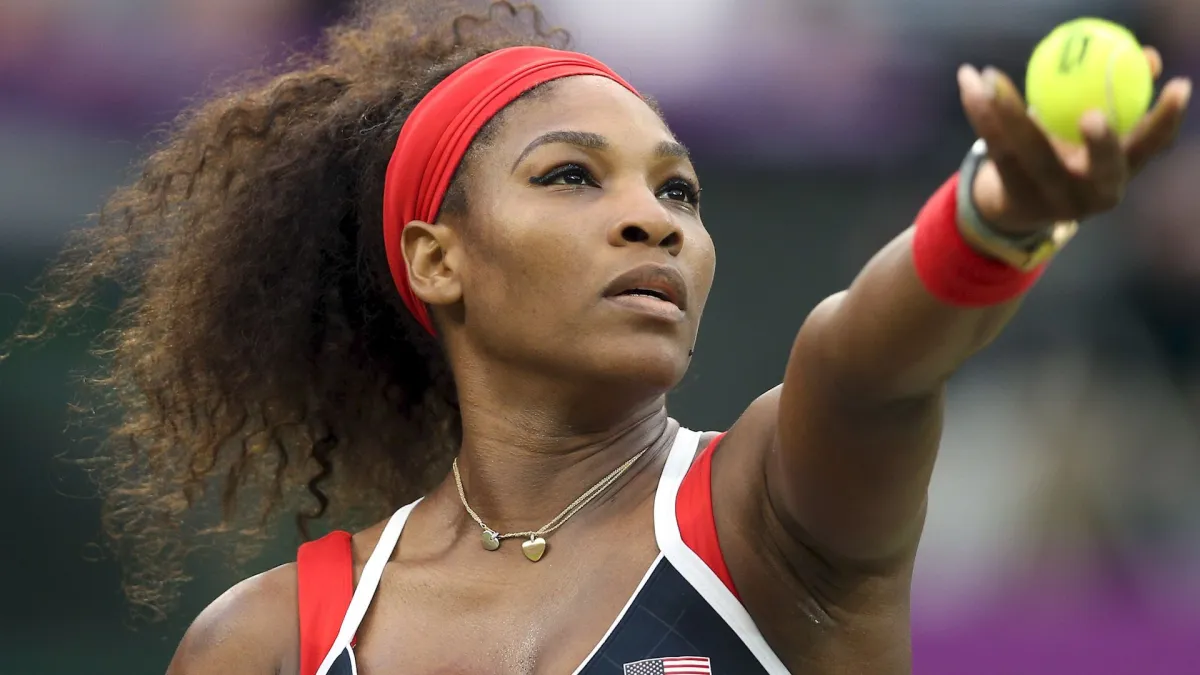 Photo: Serena Williams, via cdn.britannica.com
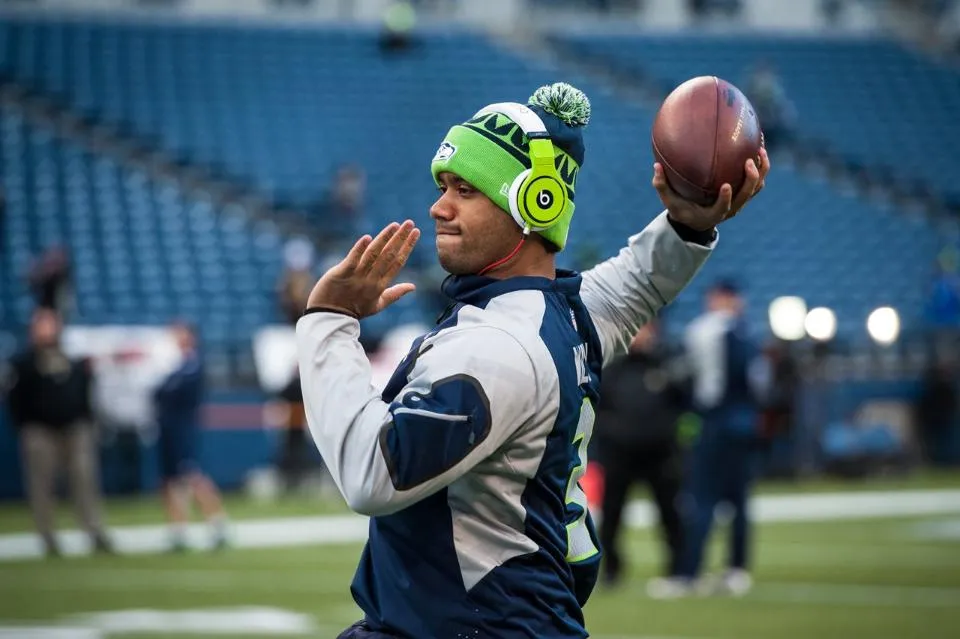 Photo: Russell Wilson, via www.thesportsbank.net
Yet youth sports culture continues to push earlier and earlier specialization, driven more by parental anxiety and business interests than athletic development. Club sports have become a billion-dollar industry that profits from year-round participation and travel tournaments.
The Social Cost
Beyond athletics, year-round specialization changed childhood itself. Kids no longer experience the natural rhythm of seasons marking time and change. They miss the anticipation of football season starting or the satisfaction of baseball season ending.
Families lost the shared cultural touchstones that seasonal sports provided. Everyone understood that fall meant football, winter meant basketball, spring meant baseball. These shared rhythms helped communities bond around common experiences.
Modern youth sports create isolated bubbles instead of community connections. Soccer families travel to tournaments with other soccer families. Baseball families spend weekends at baseball complexes. The broader community connection that seasonal sports provided has largely disappeared.
The Way Back
Some communities are rediscovering the benefits of seasonal sports. Small towns that never fully embraced specialization still produce remarkable athletes who play multiple sports and enjoy balanced childhoods.
Progressive coaches and parents are beginning to question whether year-round training actually improves performance or just increases stress. Some clubs are experimenting with seasonal schedules that allow kids to play multiple sports.
The change requires courage from parents willing to resist the pressure to specialize and trust that their kids will develop just fine playing whatever is in season. It means choosing community connection over elite competition, balanced development over specialized training.
American childhood once followed the natural rhythm of seasons, with sports providing structure, variety, and community connection throughout the year. That system produced not just better athletes but happier kids and stronger families.
What we have now offers more opportunities and higher levels of competition. But it's worth asking whether we traded something essential — the simple joy of playing different games as the seasons changed, surrounded by neighbors who understood that childhood should follow nature's calendar rather than a corporate training schedule.