When a Week at Yellowstone Cost What You Made in Five Days: The Middle-Class Vacation That Vanished
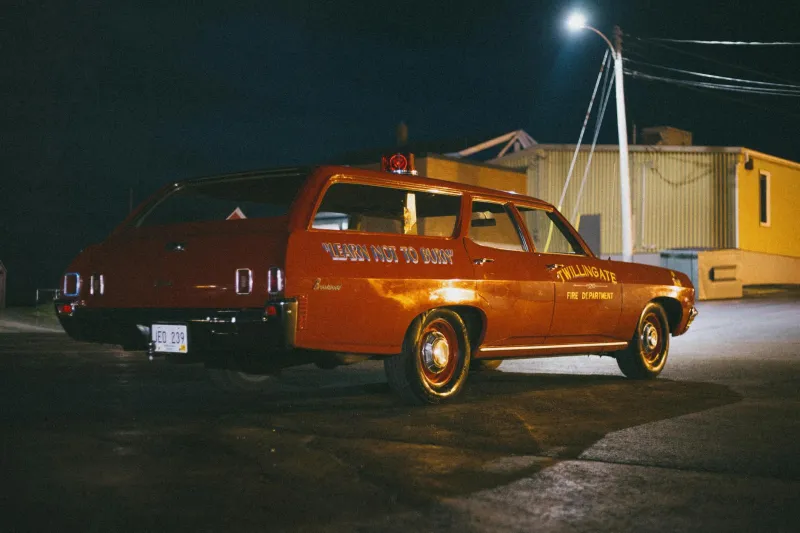
The Station Wagon Summer
In 1968, Bob Richardson loaded his wife and three kids into a wood-paneled Oldsmobile Vista Cruiser and drove from Detroit to Yellowstone National Park. The entire week-long vacation — gas, motels, meals, and park fees — cost $127. Richardson made $135 that week at the Ford plant.
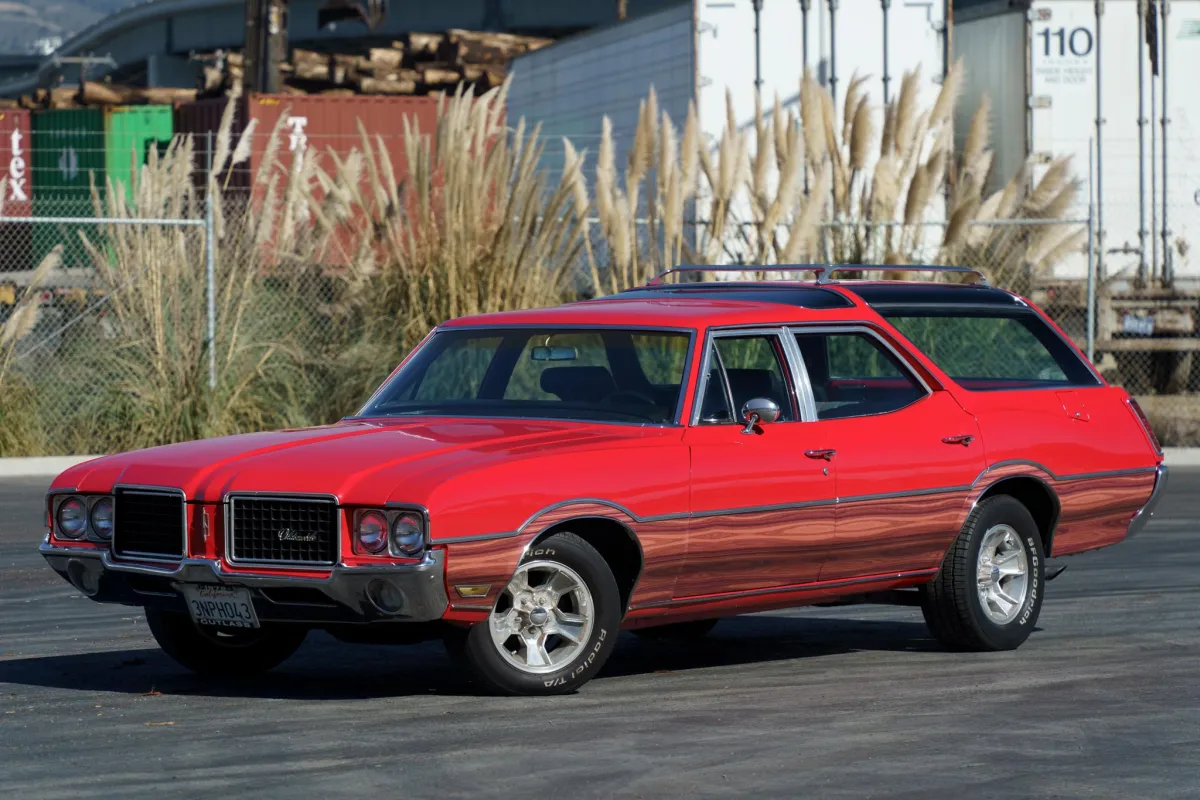 Photo: Oldsmobile Vista Cruiser, via bringatrailer.com
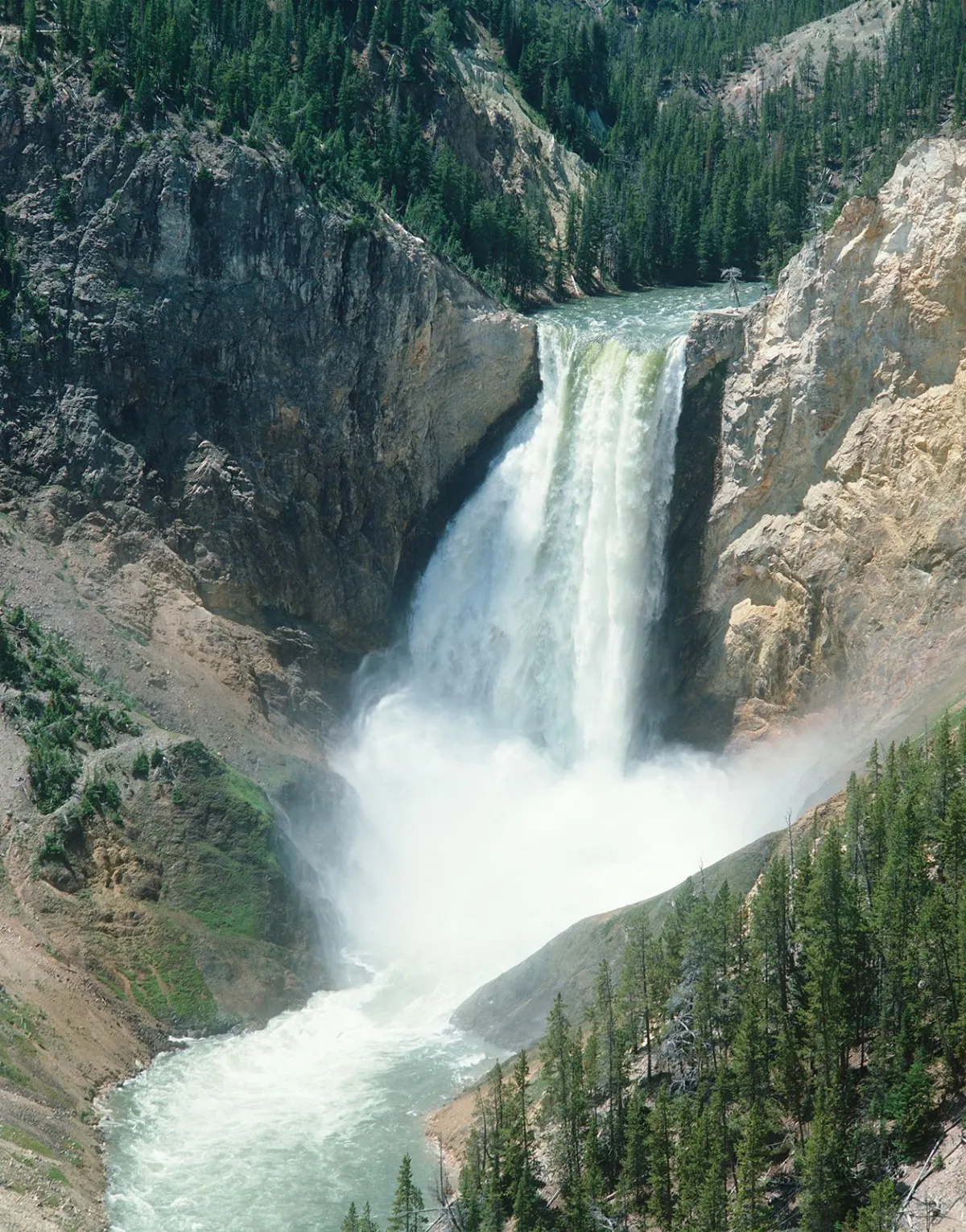 Photo: Yellowstone National Park, via cdn.britannica.com
One week's salary covered the whole family's summer adventure, with eight dollars left over.
Today, that same trip would cost a family of five roughly $3,200. The median weekly wage is $1,145. What once required five days of work now demands nearly three weeks of earnings — and that's before considering the vacation time most workers can't afford to take.
The Economics of Wonder
The Richardson family's 1968 Yellowstone budget breaks down to numbers that seem almost fictional today:
- Gas for 1,200 miles: $18
- Six nights at motor lodges: $54 ($9 per night)
- Meals for five people: $45
- Park entrance fees: $3
- Souvenirs and extras: $7
Adjusted for inflation, that $127 equals about $1,100 in today's money. But the real 2024 costs tell a different story. Gas alone would cost $180. Modest hotel rooms average $150 per night. Restaurant meals for five easily hit $80 per day.
The family vacation that defined middle-class America has become a luxury purchase requiring careful financial planning.
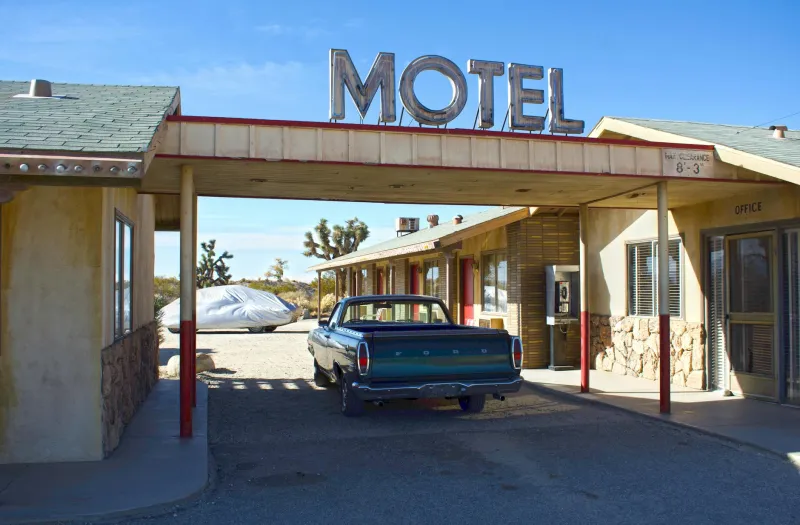
When Motels Were for Families
The motor lodge industry of the 1960s catered specifically to traveling families. Mom-and-pop operations lined every highway, offering clean rooms, swimming pools, and rates designed for working-class budgets.
The Desert Palms Motor Lodge outside Salt Lake City charged $8 per night in 1968 for a family room with two double beds, air conditioning, and a color TV. The owner, Helen Martinez, knew repeat customers by name and kept a coffee pot brewing in the office.
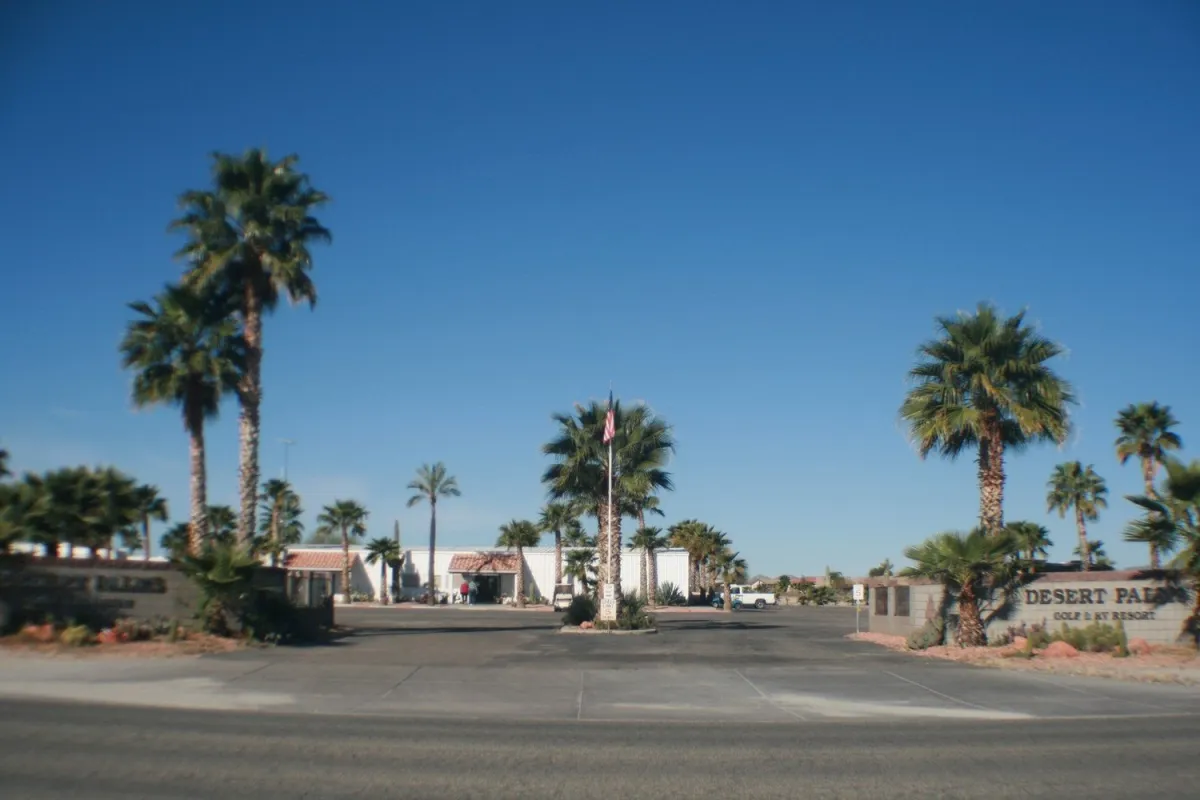 Photo: Desert Palms Motor Lodge, via images.squarespace-cdn.com
"We wanted families to afford a real vacation," Martinez told a local newspaper in 1975. "A working man should be able to take his kids somewhere special without going broke."
Today's hotel industry operates on different principles. Corporate chains dominate the market, optimizing revenue through dynamic pricing algorithms. The same Salt Lake City location now charges $189 per night for a comparable room — when adjusted for inflation, that's nearly triple the 1968 rate.
The Lunch Counter Road Trip
Family restaurants along vacation routes once offered generous portions at prices that fit road trip budgets. A complete dinner for five at Howard Johnson's — including the famous ice cream — rarely exceeded $12.
These establishments understood their role in the American vacation economy. Families driving cross-country needed affordable fuel, not just for their cars but for their bodies. Restaurant owners priced meals knowing that vacation dollars were precious and finite.
The roadside dining landscape has shifted toward fast food chains and upscale establishments, with fewer options targeting the middle ground where vacation families once found both value and experience.
Gas at 32 Cents Per Gallon
The Richardson family's 1,200-mile round trip consumed about 55 gallons of gas at 32 cents per gallon. Even adjusted for inflation, that's roughly $1.80 per gallon in today's money — still cheaper than current prices.
But the real difference lies in fuel efficiency and vehicle costs. Richardson's Vista Cruiser got 12 miles per gallon but cost $3,200 new — about half of his annual salary. Today's family SUVs get better mileage but cost $45,000 — closer to the median household's entire annual income.
The economics of the family road trip shifted when both vehicles and fuel became proportionally more expensive relative to wages.
When Parks Were Affordable
Yellowstone's $3 entrance fee in 1968 covered an entire carload for seven days. That's about $26 in today's money. The current fee is $35 per vehicle for seven days — remarkably close to the inflation-adjusted price.
National parks remain one of the few vacation expenses that haven't dramatically outpaced inflation. The problem is everything else: getting there, staying nearby, and eating while you visit.
Park Service campgrounds that charged $2 per night in 1968 now cost $25-30 — roughly matching inflation. But private campgrounds and hotels near popular parks have embraced premium pricing that would shock visitors from the station wagon era.
The Credit Card Vacation
The Richardson family paid cash for everything. Credit cards existed but weren't commonly used for vacation expenses. Families saved throughout the year for their summer trip, and the vacation budget was finite and real.
Modern family vacations often rely on credit financing. The average American family carries $6,000 in credit card debt, much of it accumulated through travel expenses that seemed reasonable when spread across monthly payments.
This shift from cash-based to credit-based vacation spending has fundamentally changed how families approach travel decisions. The immediate financial reality that once constrained vacation planning has been replaced by deferred consequences that arrive with monthly statements.
What Changed Beyond Inflation
The death of the affordable family vacation reflects broader economic shifts beyond simple price increases. Real wages have stagnated while costs for transportation, lodging, and dining have risen faster than inflation.
But lifestyle expectations have also evolved. The Richardson family was content with modest motor lodges and roadside diners. Today's families often expect hotel amenities, restaurant variety, and vacation experiences that previous generations couldn't imagine.
The New Vacation Math
Modern families face a cruel choice: take expensive vacations that strain household budgets, or skip the travel experiences that once defined American childhood. The middle ground where working-class families could afford real adventures has largely disappeared.
Some families have adapted by camping, driving shorter distances, or visiting during off-peak seasons. Others have simply stopped taking traditional vacations, replacing week-long trips with day excursions and staycations.
The station wagon summer that Bob Richardson's generation took for granted has become a luxury that requires either substantial disposable income or financial sacrifice that previous generations never faced. The vacation that once cost a week's wages now demands a month's worth — and the math just doesn't work for most American families.